June 2026 Gaza Anti‑Hamas Protest Movement Gains Momentum
Introduction
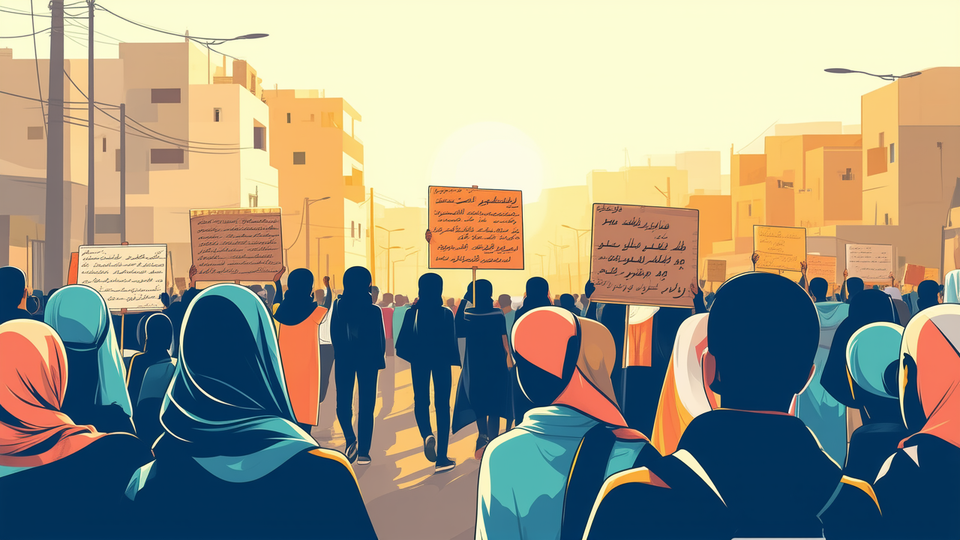
By late June 2026, a coordinated effort known as the June 26 Revolution began rallying Gaza residents to protest the rule of Hamas. Organizers, including journalist Abed al‑Hamid al‑Ati, framed the campaign as a call for basic human rights, saying the people “need to live like any other human beings” and that “Hamas is finished.” The movement seeks to restore normalcy, rebuild lives, and end the ongoing oppression and humanitarian crisis.
Body
The protest initiative quickly gathered momentum. Activists released statements emphasizing the need for dignity, clean water, food and a future free from the constant threat of conflict. They highlighted that the people of Gaza have paid a heavy price with their homes, futures and families, and that it is time to “reject oppression and the continued occupation of the Gaza Strip.”
In response, Hamas deployed armed guards, restricted movement, and confiscated phones in an attempt to suppress the demonstrations. Witnesses reported that operatives patrolled gathering points, and threatening messages were delivered to anyone perceived as opposing Hamas. Despite these measures, many residents expressed a willingness to protest, stating, “Don’t be afraid. Demonstrate for the sake of your children and the dignity that was taken away from you.”
Prominent voices such as Gazan journalist Abed al‑Hamid al‑Ati also shared personal stories of loss, describing the death of family members in bombings and the hardships of displacement. He stressed that the campaign’s goal is peaceful, calling on local and international institutions to protect protesters on June 26. The campaign’s messaging resonates with a broad segment of the population, drawing criticism from Hamas affiliates who label organizers as “traitors” or “collaborators with Israel.”
While the security crackdown limited the scale of the planned “Day of Rage,” the sheer visibility of the movement—through social media posts, flyers, and personal testimonies—demonstrates an emerging internal dissent within Gaza. The campaign’s emphasis on non‑violent protest aligns with broader social‑justice principles, seeking to empower ordinary citizens to claim agency over their future.
Conclusion
The June 2026 anti‑Hamas protests illustrate a growing demand for political change and human dignity in Gaza. Despite intimidation tactics, activists continue to organize, highlighting the resilience of a population eager for peace and self‑determination. The June 26 Revolution may mark a pivotal moment, reflecting both the courage of Gaza’s residents and the challenges they face in pursuing a hopeful, more just future.