Three Firefighters Killed as Wildfires Rage Across Colorado‑Utah Border
Tragedy on the Colorado‑Utah Border
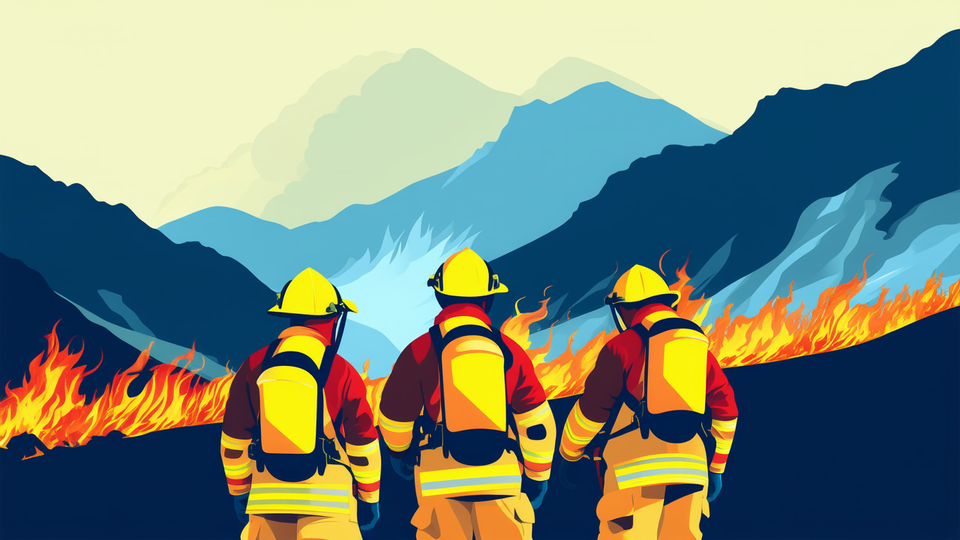
On June 28, 2026, a devastating incident claimed the lives of three firefighters and injured two others as they fought multiple wildfires along the Colorado‑Utah border. The crew members were part of an inter‑agency response to the Knowles and Gore fires when a “burn‑over” event occurred, a situation where officials cannot locate an escape route and must shelter while the fire passes directly overhead.
The United States Wildland Fire Service confirmed that the five firefighters were battling in extreme conditions that left them with no viable exit. Two of the survivors received treatment for burn injuries. Their sacrifice was honored by both the U.S. Wildland Fire Service and the USDA Forest Service, with statements emphasizing the bravery and dedication of those who protect our public lands.
Fire behavior across the region has intensified dramatically. Record‑low humidity, single‑digit fuel moisture, and wind gusts approaching 45 mph created a “particularly dangerous situation” red‑flag warning issued by the National Weather Service. The Cottonwood Fire, now the largest wildfire burning in the United States, has consumed more than 144 square miles of rugged terrain in southern Utah’s Beaver County and remains uncontained. This blaze has already damaged the Eagle Point ski resort, destroyed summer cabins, and forced evacuations in nearby towns such as Marysvale, Junction, and Circleville.
In addition to the Cottonwood Fire, the Snyder Fire in eastern Utah’s Grand County has spread over 28,000 acres after merging with smaller incidents in Colorado, including the Knowles and Gore fires. The combined impact of these blazes has stretched firefighting resources thin, prompting both Utah and Colorado governors to declare emergencies and request additional support, including National Guard assistance.
Experts point to a broader climatic context that has primed the western United States for such extreme fire activity. A historic winter left Utah with its lowest snowpack on record and a warm season that peaked three weeks early, allowing vegetation to dry out earlier than usual. Similar drought conditions have been noted across Nevada, Colorado, and Arizona, creating a landscape ripe for rapid fire spread.
Nationally, nearly three million acres have burned since the start of the year, exceeding the ten‑year average. From Alaska to Florida, crews are engaged in containment efforts for dozens of large, uncontained blazes. The ongoing crisis highlights the essential role of firefighters, the importance of resilient infrastructure, and the need for continued investment in fire management strategies to protect communities and natural resources.
As families mourn the loss of their loved ones, the nation stands united in remembering the courage of these firefighters. Their dedication serves as a powerful reminder of the human cost of wildfires and the collective responsibility to support those who risk everything to keep our lands safe.