Trump Declares Iran Ceasefire Over as Foodborne Illness Spreads and Maine Democrats Face Turmoil (August 7 2026)

Introduction
On August 7, 2026 the United States faced three distinct crises that each demanded swift attention. President Donald Trump publicly declared the cease‑fire with Iran dead, new U.S. strikes targeted Iranian military sites, a sudden foodborne illness began affecting hundreds of Americans across several states, and the Maine Democratic Party confronted a leadership dispute after the withdrawal of its Senate nominee.
Ceasefire Ends and New Hostilities
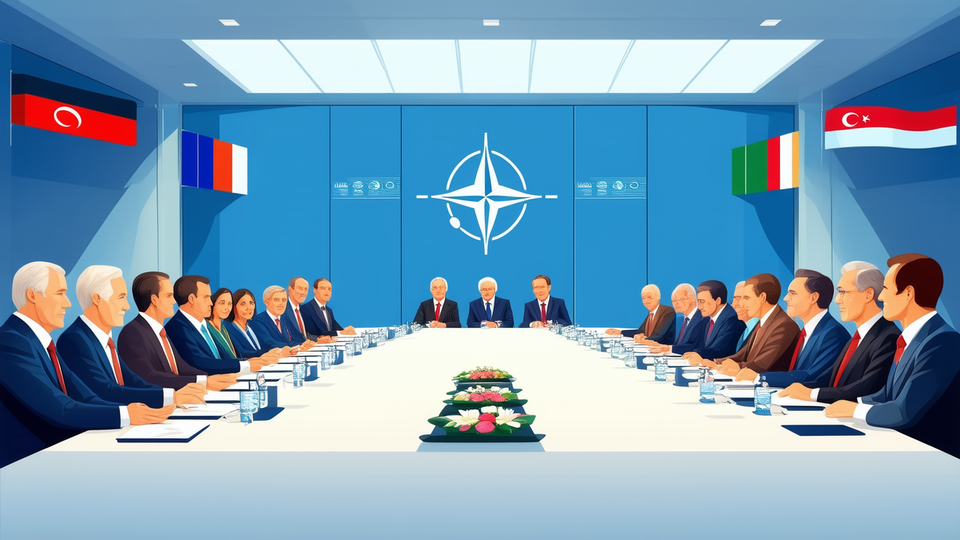
In a televised statement, President Trump said the cease‑fire “is over” and described continued negotiations as “a waste of time.” The U.S. Central Command reported that American forces hit about ninety Iranian targets, including air‑defense systems, missile and drone sites, and naval assets along Iran’s coastline. In response, Iranian forces launched attacks on Kuwait, Bahrain, and Qatar, igniting alerts among Gulf allies. The President also noted that the United States revoked a temporary sanctions waiver that had allowed limited Iranian oil sales, a move that could push oil prices higher than six percent. These developments raise the risk of a broader regional conflict and highlight the fragile nature of diplomatic agreements.
Foodborne Illness Outbreak
Simultaneously, health officials warned of a rapidly spreading foodborne illness. Michigan confirmed more than 700 cases, with patients suffering severe diarrhea and intense abdominal cramps. The infection appears linked to contaminated fresh produce, although the exact pathogen remains unidentified. The outbreak has expanded to Ohio, North Carolina, Illinois, and New Jersey, prompting a nationwide investigation by the Food and Drug Administration. Officials stress the importance of proper food handling and advise the public to monitor symptoms and seek medical care if illness persists.
Maine Democratic Party Discontent
In New England, the Maine Democratic Party entered a period of internal turmoil. Graham Platner, the party’s Senate nominee, abruptly withdrew after a sexual‑assault allegation resurfaced. Party leaders accused Platner of attempting to influence the process for selecting his replacement, a claim his team promptly denied. The party announced it will hold a nominating convention to choose a new candidate, with former State Senate President Troy Jackson already filing paperwork. This dispute underscores the challenges the party faces in consolidating support ahead of a crucial Senate race.
Conclusion
The convergence of geopolitical tension, a public‑health emergency, and political unrest illustrates the complex landscape confronting the United States on August 7, 2026. While diplomatic efforts seek to de‑escalate the Iran conflict, the nation must also address the foodborne illness threatening thousands and navigate the political ramifications of a contested Senate race in Maine. The coming weeks will test the resilience of both American foreign policy and domestic governance.