Father of Murdered Teen Urges Under‑16 Social Media Ban
Introduction
Stuart Stephens, whose 13‑year‑old son Olly was stabbed to death in Emmer Green, Reading, in January 2021, has become a vocal advocate for a new social media ban on anyone under the age of sixteen. He tells reporters that if such a ban had existed when his son first began using platforms like Snapchat and TikTok, the tragedy might have been avoided.
Personal Testimony and Motivation
Speaking at a press conference, Mr. Stephens said, "It's been a long time coming. If we had had this ten years ago, when all of this tech was starting to surface, then a lot of us, our children would still be here. I'd still have my son – there's no two ways about it." He emphasized that social media is "addictive, corruptive, corrosive and predatory," and that children should not be targeted before they reach sixteen.
Government Response and Legislative Plans
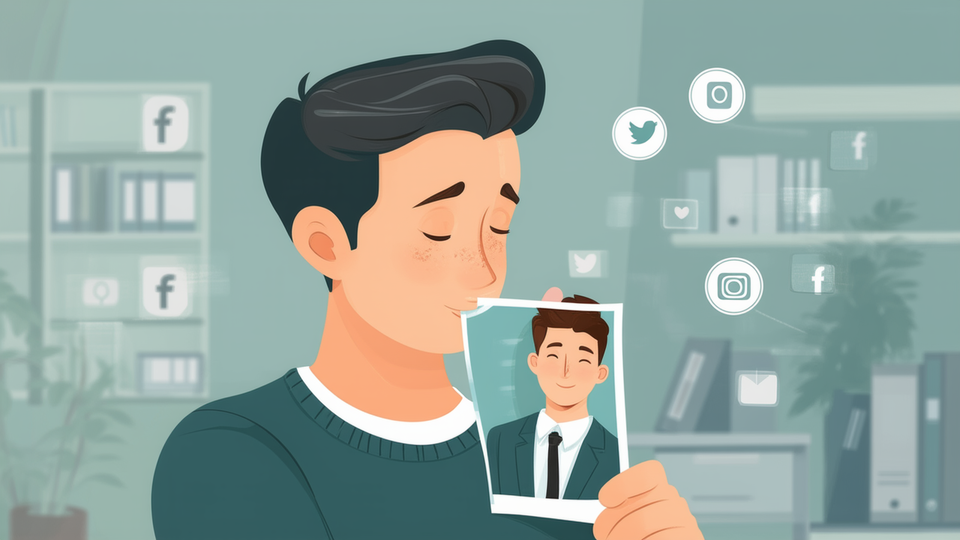
Prime Minister Sir Keir Starmer has pledged to introduce a ban on under‑16s accessing major social media apps such as Snapchat, TikTok, Facebook, Instagram and YouTube by the spring of 2027. The proposed law aims to protect young people from online bullying, exposure to extremist content, and the dangerous dynamics that can lead to real‑world violence.
Local and School Perspectives
Several schools in England have already taken independent steps to limit phone use. At Thomas Hardye School in Dorchester, pupils place their phones in lockable pouches each morning. Assistant headteacher Rachel Glennie says the policy improves concentration and reduces safeguarding concerns. Other schools are considering similar measures, though some parents argue that blanket bans may hinder digital literacy.
Opposing Views and Industry Concerns
Tech companies, including Meta and YouTube, argue that a ban could push teenagers toward less regulated platforms, potentially increasing risk. Meta suggests that any restrictions be tied to an age‑verification system rather than requiring users to hand over identification to many services. Critics also warn that a simple ban does not address the underlying issues of online harassment and mental health.
Expert Insights
Researchers at the University of Oxford, such as Prof. Mina Fazel, have studied the prevalence of online meeting among young people. Their recent Oxwell Student Survey, which collected 30,000 responses, showed that 5 % of year‑7 students had met someone they knew only online. Dr. Holly Bear notes that online spaces can provide both harm and support, underscoring the complexity of policing digital interactions.
Conclusion
Stuart Stephens’ personal loss adds a poignant, human face to a national debate on digital safety. While the upcoming legislation promises stronger protections for minors, the conversation must also consider education, responsible platform design, and parental guidance to create a safer online environment for all children.