VAR Technology: Boosting Accuracy and Sparking Debate in Soccer
Introduction
The 2026 World Cup has been billed as the most technologically advanced tournament ever, featuring a suite of video‑assistant tools that aim to eliminate costly errors on the field. Since its debut at the 2018 World Cup, VAR has become a permanent fixture in elite matches, providing officials with video replays for crucial decisions such as goals, penalties, offside calls and mistaken identity.
How VAR Improves Accuracy
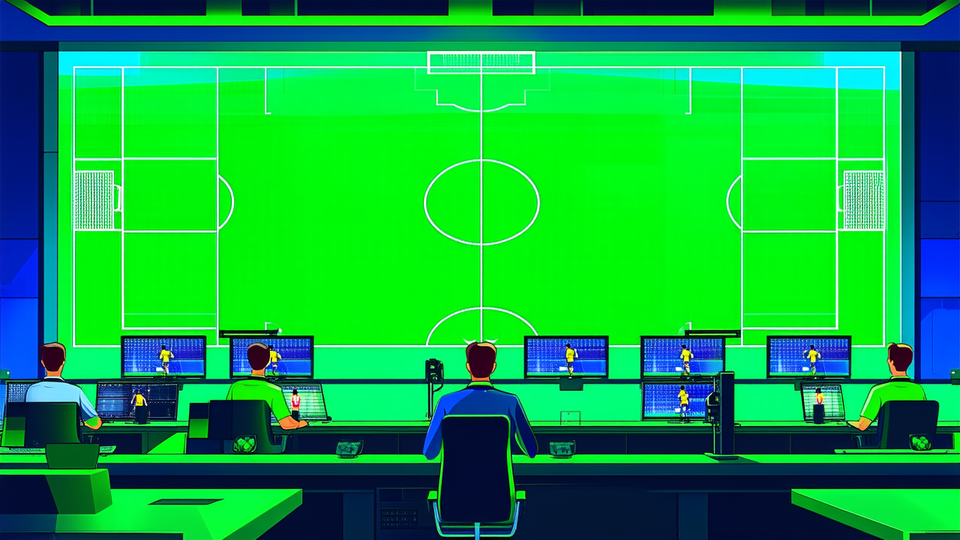
VAR operates from a control room where a team of officials can review footage and recommend changes to the on‑field referee. The system has already altered outcomes in stunning ways. In a Round‑of‑16 clash, a possible game‑winning goal for Germany was ruled out after a VAR review identified a foul, allowing Paraguay to advance via a penalty shoot‑out. Belgium’s extra‑time penalty against Senegal and a red card for USA striker Folarin Balogun in the Bosnia‑Harbor match were likewise confirmed through VAR. Goal‑line technology, using high‑speed cameras, ensures that close calls are settled instantly, a lesson learned from the 2010 England‑Germany controversy. Offside decisions now feature AI‑generated 3‑D avatars and neon lines, as seen in the narrow off‑side call against Colombia’s Davinson Sánchez.
Challenges and Criticisms
Despite its accuracy, VAR can disrupt the natural rhythm of a match. Prolonged reviews frustrate fans and players, leading to boos and whistles during deliberations. Experts note that while the current World Cup has generally delivered quicker decisions, the technology still has room for improvement. There are also equity concerns: teams with access to advanced AI analysis tools, such as Lenovo’s “FIFA AI Pro,” may gain a strategic edge over opponents without similar resources. Moreover, the human element—referee judgment, emotional control, and on‑field communication—remains essential, and over‑reliance on technology could diminish the sport’s spontaneous excitement.
Future Directions
The integration of artificial intelligence continues to expand. AI‑powered platforms can analyze player positioning, performance metrics and injury risks, offering coaches deeper insights. As computer‑vision algorithms improve, the speed and precision of VAR reviews are expected to increase, potentially extending to other sports. However, stakeholders emphasize that technology should complement, not replace, the referee’s role, preserving the “beautiful game” while enhancing fairness.
Conclusion
VAR has undeniably raised the standard of officiating in soccer, delivering clearer outcomes and reducing controversy. Yet the technology brings new challenges that require careful management to safeguard game flow, competitive equity and the sport’s human spirit. Striking the right balance will ensure that soccer remains both accurate and passionately unpredictable.