Trump’s Midnight Memes Target Democrats on Independence Day
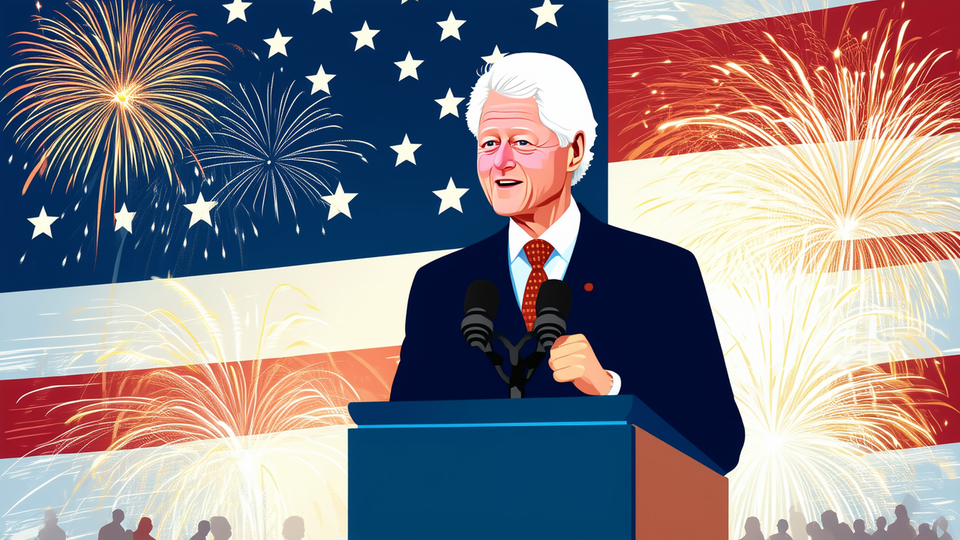
President Donald Trump woke up in the middle of the night on July 4, 2026, to post a barrage of messages on his Truth Social platform aimed squarely at two Democratic rivals: Senator Jon Ossoff of Georgia and Texas Rep. James Talarico, the Democratic candidate for the U.S. Senate race in Texas. The timing was deliberate — the posts rolled out just after his high‑profile Independence Day speech at Mount Rushmore, a venue chosen to celebrate the nation’s 250th anniversary.
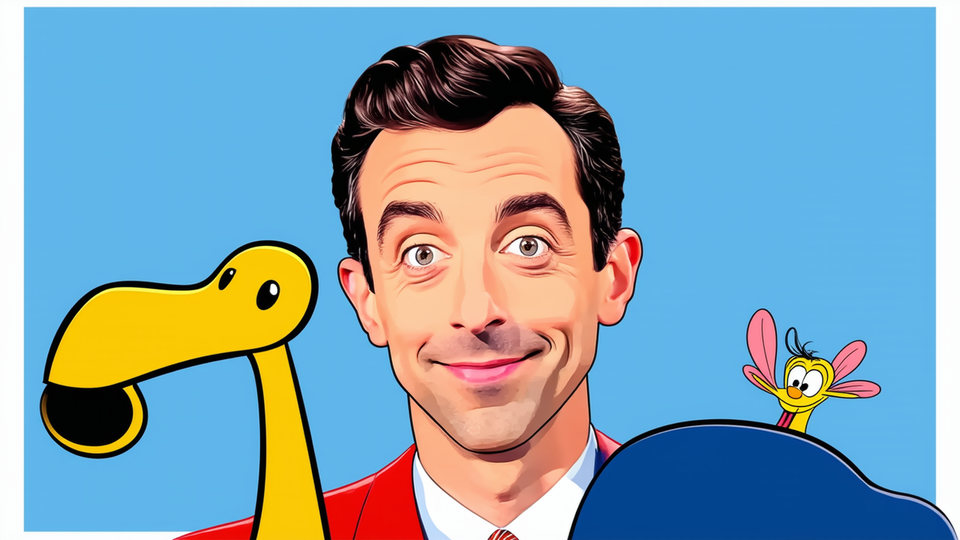
The first meme juxtaposed Ossoff’s photo with Pee‑wee Herman, the iconic character created by Paul Reubens. The caption implied a lack of seriousness in the Georgia race, a sharp contrast to the Senator’s recent policy‑focused messaging. The second meme featured Talarico side‑by‑side with the smiling, gap‑toothed figure from MAD Magazine, Alfred E. Neuman. The image was paired with a mocking caption that questioned the Democratic challenger’s viability against Republican incumbent Ken Paxton.
These posts were not isolated. Earlier in the week, Trump had issued a flurry of statements praising former Rep. Mike Collins and deriding Ossoff with language that bordered on the vulgar. The new memes reinforced a narrative that casts Democrats as cartoonish, out‑of‑touch figures, a theme that has resurfaced throughout his post‑presidency communication strategy.
Political analysts see the timing as a calculated move to dominate the media cycle at a moment when national attention naturally turns to patriotism and celebration. By framing his attacks as part of an "American Semi‑Quincentennial" storyline, Trump aims to merge the holiday’s emotional resonance with his campaign rhetoric.
Both Senate races are critical for the 2026 midterms. In Georgia, Ossoff faces a well‑funded challenger in Rep. Mike Collins, while in Texas, Talarico must overcome the entrenched power of Sen. Ken Paxton, whose own primary victory earlier in the week set the stage for a high‑stakes general‑election showdown.
Critics argue that Trump’s use of memes and personal attacks distracts from substantive policy debate, turning what should be a serious electoral contest into a spectacle. Supporters, however, claim the approach energizes the base and simplifies complex political dynamics into easily digestible messages.
As the country heads into a historic Independence Day celebration, the clash of meme‑driven political theater against traditional campaigning highlights a new frontier in American elections — one where social media aggression and cultural symbolism intertwine with the very core of democratic competition.