Trump Considers Pardons for Sean Diddy and Sam Bankman‑Fried – July 3 2026
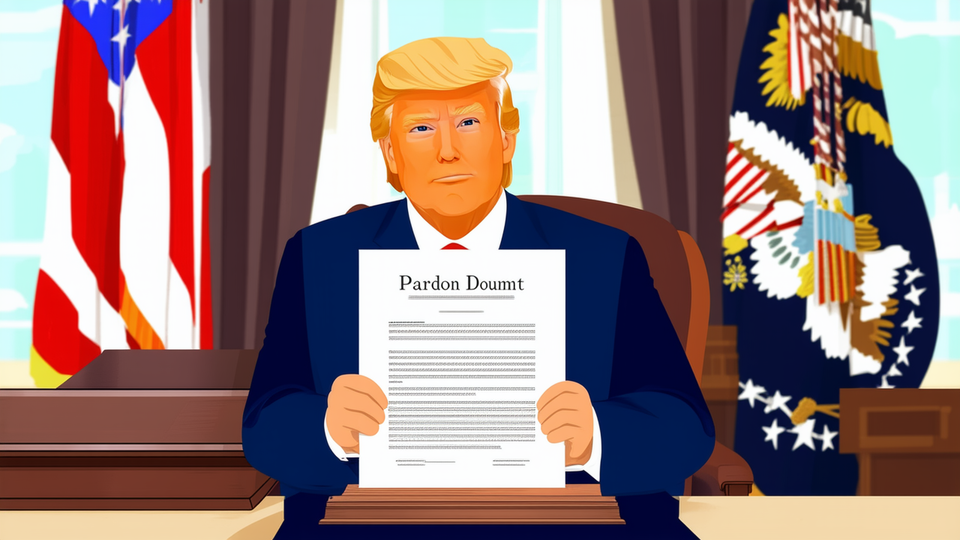
Trump Weighs High‑Profile Pardons
President Donald Trump’s office is reportedly reviewing clemency requests for two well‑known figures as the United States marks its 250th anniversary. One request comes from Sean “P. Diddy” Combs, a music mogul serving a federal prison sentence for prostitution‑related transportation offenses. The other involves Sam Bankman‑Fried, the founder of the fallen cryptocurrency exchange FTX, whose formal pardon application has remained pending at the Department of Justice.
Background on the Diddy Request
Combs, who has a long history in the music and entertainment industry, was convicted in 2025 on two counts related to prostitution. While a jury acquitted him of sex‑trafficking and racketeering conspiracy, he continues to serve more than four years at a federal facility in New Jersey. Earlier this year, Trump told the New York Times he had no intention of granting a pardon after the alleged request, yet recent sources say the White House is now weighing some form of relief. The consideration is said to be part of a broader “250 pardons for 250 years” initiative that would coincide with Independence Day celebrations.
Sam Bankman‑Fried’s Pending Petition
Bankman‑Fried filed a formal pardon application on June 8, seeking relief after completing a 25‑year sentence for fraud that led to the collapse of FTX. Unlike Combs, whose case has drawn attention for its personal nature, Bankman‑Fried’s request is tied to a massive financial scandal that harmed investors and required a multi‑billion‑dollar recovery effort. The Department of Justice has not acted on his petition, and Trump has previously voiced opposition to granting him clemency.
Political Implications and Past Use of Clemency
Trump’s use of the pardon power has been extensive. He has freed political allies, business partners, and high‑profile celebrities, including a rapper, a crypto entrepreneur, and even a former Honduran president. These actions have sparked debates about the balance between executive authority and the rule of law. Supporters argue that pardons can correct perceived injustices, while critics warn that they may undermine accountability, especially in cases involving large‑scale financial fraud.
Conclusion
As the July Fourth period approaches, the White House’s deliberations on the Diddy pardon and the unresolved Bankman‑Fried request highlight the ongoing tension between executive clemency and public expectations of justice. Whether the administration decides to grant relief to either individual will likely shape the narrative surrounding the nation’s 250‑year milestone and the broader conversation about the proper use of presidential pardons.