The Atlantic Revives JD Vance’s 2016 Trump Critique on Its 10‑Year Anniversary
Background and Timing
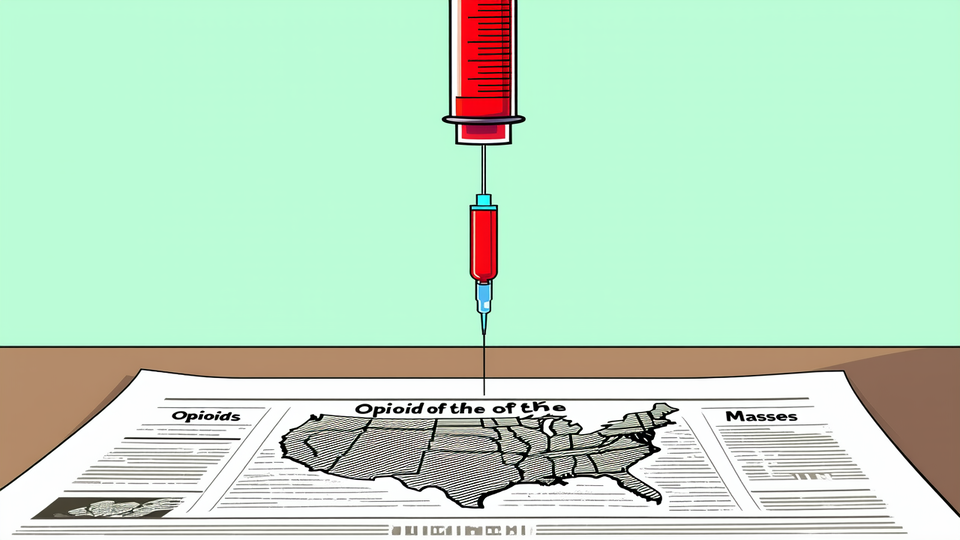
On the weekend of July 5 2026, The Atlantic posted a special anniversary edition of a 2016 essay written by JD Vance, then a venture‑capital analyst at Mithril Capital and author of the best‑selling memoir Hillbilly Elegy. The essay, entitled “Opioid of the Masses,” was originally published during the first presidential campaign of Donald Trump, and it resurfaced exactly ten years later to coincide with the United States’ semiquincentennial celebrations.
Key Arguments from the Essay
Vance characterized Trump as a “pain reliever” and “cultural heroin,” suggesting that the former president’s appeal lay in offering a simple, immediate escape from complex social and economic challenges. He wrote that Trump promised easy solutions—building a wall, curbing offshore jobs, and confronting cartels—without providing concrete details or viable policy pathways. Vance warned that such promises were “the needle in America’s collective vein” and that “he cannot fix what ails them.”
The essay also highlighted the danger of relying on a leader who promises quick fixes rather than substantive reforms. Vance argued that while Trump’s rhetoric may temporarily soothe concerns, it ultimately fails to address underlying issues such as economic decline, distrust in government, and cultural fragmentation.
Impact of the Republished Piece
The republished essay quickly became The Atlantic’s most‑read article, outpacing other contemporary analyses, including a companion piece by Peter Wehner titled “What JD Vance Once Knew.” Social‑media platforms amplified the content, with numerous shares and commentary from political observers and ordinary readers alike. The renewed attention underscores how Vance’s early assessment continues to resonate amid ongoing discussions about Trump’s post‑presidential influence.
Vance’s Evolution and Contemporary Relevance
When Vance penned the original essay, he was a vocal critic of Trump, even referring to the former president as “America’s Hitler.” Since then, his political trajectory has shifted dramatically. He entered the U.S. Senate in 2022 with Trump’s endorsement, later becoming the vice‑president and Trump's running mate in the 2024 election. This transformation adds a layer of complexity to the essay’s legacy, illustrating how political perspectives can evolve while earlier warnings remain pertinent.
In today’s climate, where debates over truth, policy, and leadership continue to dominate public discourse, Vance’s 2016 critique serves as a reminder to scrutinize promises that lack substantive detail. It invites citizens, scholars, and policymakers to reflect on the importance of evidence‑based solutions over charismatic but shallow rhetoric.
Conclusion
The Atlantic’s decision to republish JD Vance’s decade‑old essay invites a fresh examination of the promises made during Trump’s rise to power and their long‑term implications. By reaffirming that “he cannot fix what ails them,” Vance’s words echo loudly in a nation still grappling with the consequences of those promises, reinforcing the need for thoughtful, accountable governance.