Newport Beach Fourth of July 2026: Chaos, Fights, and Over 100 Arrests

Newport Beach Celebration Turns Violent
On July 4, 2026, a festive Fourth of July gathering on the beaches of Newport Beach, California, began with the usual fireworks displays, music, and crowds of holiday revelers. Families arrived early, set up blankets, and looked forward to a night of legal fireworks and community spirit. Within hours, however, the atmosphere shifted. Attendees began lighting illegal fireworks, dumping trash cans, and igniting debris, creating hazardous conditions that quickly attracted police attention.
Escalation and Police Response
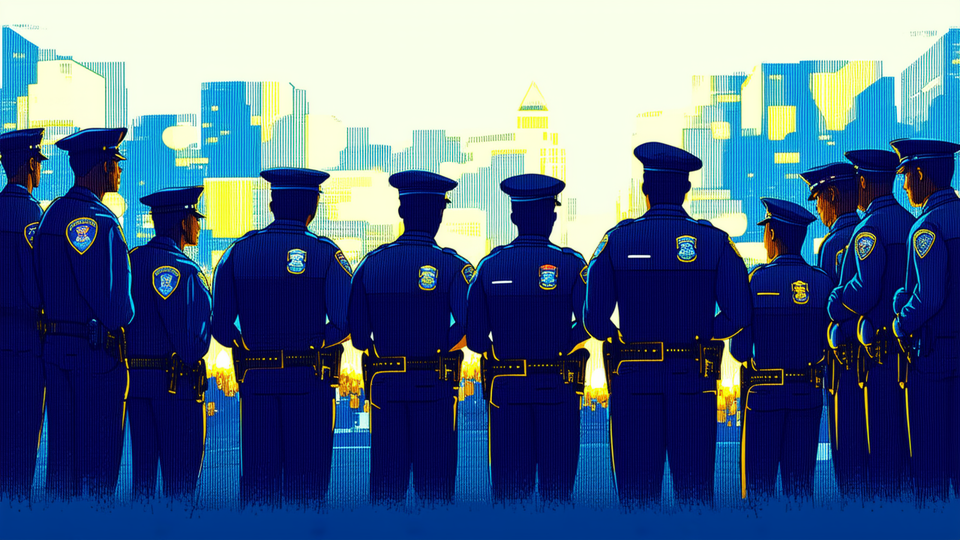
Law enforcement officers responded to calls around 7 p.m. as the crowd grew more unruly. Officers on horseback patrolled the shoreline, forming a skirmish line to block movement and protect by‑standers. Some participants threw fireworks directly at police, striking several officers. The resulting confrontations led to multiple injuries among the officers, all of whom were expected to recover. By the end of the night, police reported that more than 100 people had been taken into custody. The Orange County Sheriff’s Office had previously reminded residents that most cities in the county prohibit unsafe fireworks, urging citizens to verify local laws before celebrations.
Community Impact and Safety Lessons
The chaos left a lasting mark on the community. Streets were littered with debris, and nearby businesses reported property damage. The incident also underscored a broader trend: the Orange County Fire Authority documented a 43 % increase in firework‑related injuries from the previous year, while the Consumer Product Safety Commission noted a nationwide rise in firework injuries and fatalities. These statistics illustrate the real danger that illegal fireworks pose to both public safety officers and civilians.
Officials emphasized that responsible celebration protects families and neighborhoods. By respecting firework regulations, avoiding confrontations, and reporting unsafe behavior, community members can help ensure future holidays remain joyful rather than hazardous.