Two Young Adults Pulled from Montreal’s Lachine Canal in Critical Condition
Introduction
In the early hours of July 5, 2026, a tragic incident unfolded on Montreal’s historic Lachine Canal. Two people in their early twenties were pulled from the water, both suffering critical injuries. The event has drawn attention to water safety concerns in urban environments and the importance of rapid emergency response.
What Happened
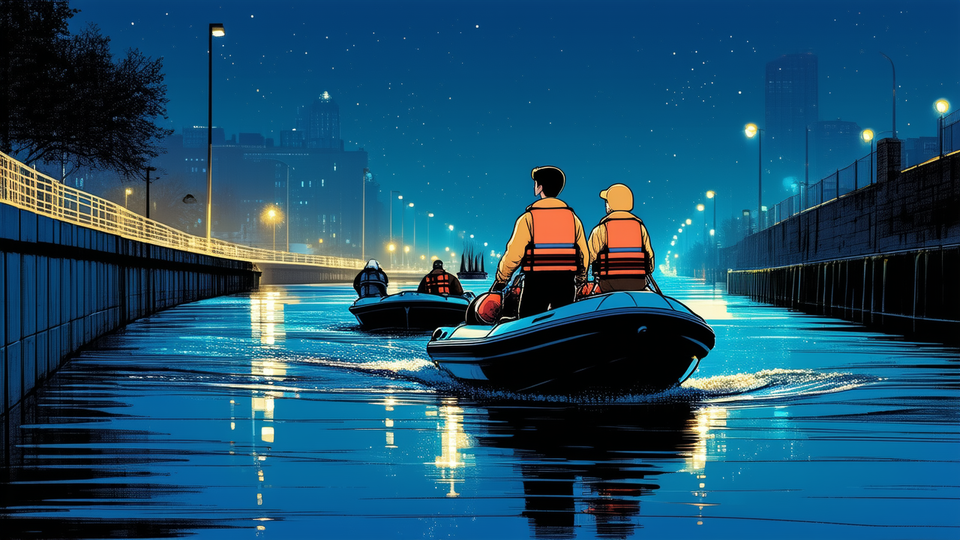
According to local officials, one individual slipped and fell into the canal. A second person, attempting to rescue the victim, entered the water as well. Fire department personnel and the Canadian Coast Guard were alerted shortly before midnight, launching a coordinated search with three boats near René‑Lévesque Park. Sonar equipment eventually detected the two swimmers, allowing rescuers to bring them ashore.
Response and Medical Care
Six paramedics from Urgences‑santé arrived on scene and provided immediate medical intervention before transporting both victims to a nearby hospital. Both were listed as being in critical condition upon arrival. One victim was confirmed to be male; the gender of the second person was not disclosed. No further updates on their medical status have been released.
Broader Safety Concerns
The accident comes at a time when Quebec’s water‑safety organization is urging the provincial government to permanently fund school‑based swimming programs and strengthen drowning‑prevention initiatives. In 2026, the Société de sauvetage reported 22 drownings in the province, a number comparable to the previous year but with a striking shift: about 60 % of these incidents occurred in rivers, up from 27 % the year before. Historically, Quebec saw close to 200 drownings per year forty years ago, a figure that has dramatically declined but remains preventable.
Data from the Canadian Drowning Prevention Research Centre show that more than half of accidental drowning deaths involve a rescue attempt, yet roughly two‑thirds of those rescuers lack formal training. As Raynald Hawkins, executive director of the Société de sauvetage, explained, “People will say I don’t have any choice, I have to jump in the water and try to reach them… but don’t take a risk.” He emphasizes that calling 9‑1‑1 is the safest response when someone is in danger.
Looking Ahead
Stakeholders are calling for mandatory life‑jacket use on waterways and increased funding for comprehensive swimming education in schools. By promoting these measures, communities can reduce the likelihood of similar tragedies and protect residents who enjoy Canada’s many rivers and canals.