Republicans brace for midterm defeat, plan to blame Trump and internal missteps
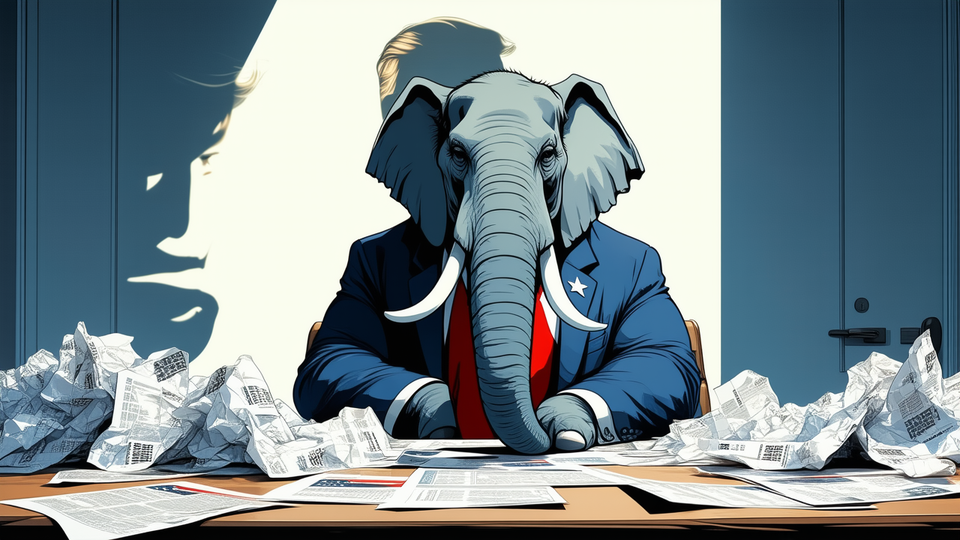
On October 15, 2026 Mark Halperin reported that Republican political strategists are actively preparing for a possible loss in the 2026 United States midterm elections.
The strategists say they will likely assign blame to former President Donald Trump, internal party discord, economic concerns and campaign decisions if the anticipated defeat occurs, aiming to portray the loss as foreseeable and the result of another’s actions.
According to the briefing, the simplest and hardest‑to‑refute argument is that “one man controls the party, and his name is Trump.” Advisors can recommend messaging and spending plans, but they cannot guarantee delivery, leaving the party vulnerable to a “comprehensive Trump indictment” that includes his unpopularity, disciplinary issues, economic decisions, foreign entanglements and personal enrichment.
The memo also highlights how Trump’s promotion of AI and data centers is creating a backlash among voters facing higher electric bills and job security concerns. Voters are hearing questions like, “Why is he focused on a Washington arts building instead of my wallet?” that campaign media buyers have struggled to answer.
Economic anxiety is compounded by the ongoing Iran conflict, which has raised energy costs and prolonged foreign‑policy involvement. House Speaker Mike Johnson and Senate Majority Leader John Thune could be blamed for producing too little messaging that voters can understand, as legislative achievements require staff briefings that are hard to sell in a 30‑second ad.
Strategists acknowledge that while the GOP has substantial funds, it lacks a cohesive national message to make that money work. They plan to attribute failures to stale campaign spots, late‑stage ad deployments and internal disagreements over whether to hug or distance themselves from Trump.
Both parties are expected to launch parallel post‑election narratives: Republicans will target Trump and internal missteps, while Democrats will critique their own leadership and policy choices, ensuring that each side has ready explanations and witnesses to support their version of events.