OPEC+ Raises Production as Oil Prices Slip – July 5, 2026
Introduction
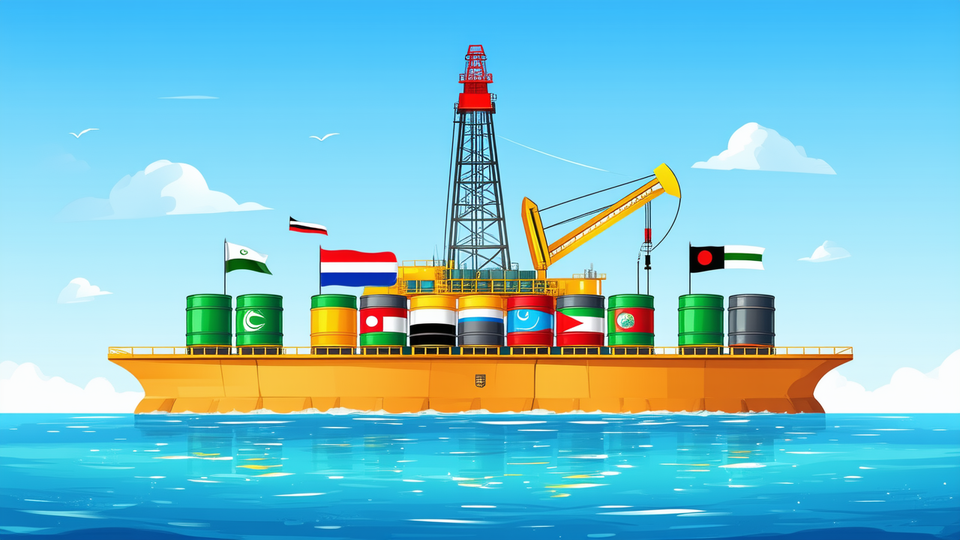
On July 5, 2026 the Organization of the Petroleum Exporting Countries and its allies, collectively known as OPEC+, revealed a decision to increase oil production even as global crude prices continued to fall. The move comes amid renewed diplomatic efforts between the United States and Iran, which have eased some of the restrictions on oil shipments and reduced tension in key shipping lanes.
Market Context and Diplomatic Influence
Recent negotiations between the United States and Iran have opened the Strait of Hormuz to more commercial traffic, allowing a larger share of the world’s oil to flow freely. This diplomatic progress has lessened the supply‑shortage fears that previously kept prices high. However, the market remains volatile, with Brent crude hovering just under $72 a barrel, a level not seen since before the early‑2026 conflict escalated.
Details of the Production Increase
The OPEC+ statement detailed that seven countries – Saudi Arabia, Russia, Iraq, Kuwait, Kazakhstan, Algeria and Oman – will collectively add 188,000 barrels per day to output beginning in August. This marks the fifth consecutive month the group has agreed to raise production, signaling a shift toward balancing market stability with the need to support member economies.
Economic and Energy Implications
By increasing supply, OPEC+ aims to temper price volatility and support global economic recovery. Lower oil prices can reduce fuel costs for consumers and businesses, potentially easing inflation pressures. At the same time, the incremental production helps member nations recover revenue after a period of constrained sales caused by shipping disruptions in the Strait of Hormuz.
Outlook and Ongoing Monitoring
The alliance emphasized that it will continue to monitor market conditions closely. While the production boost is intended to enhance stability, the group remains cautious, acknowledging that any resurgence of geopolitical tension could quickly reverse the benefits of increased supply. Stakeholders are advised to watch both diplomatic developments and oil market signals for future adjustments.