NHS App to Use AI for Service Recommendations by 2028
NHS App AI Service Recommendation Rollout
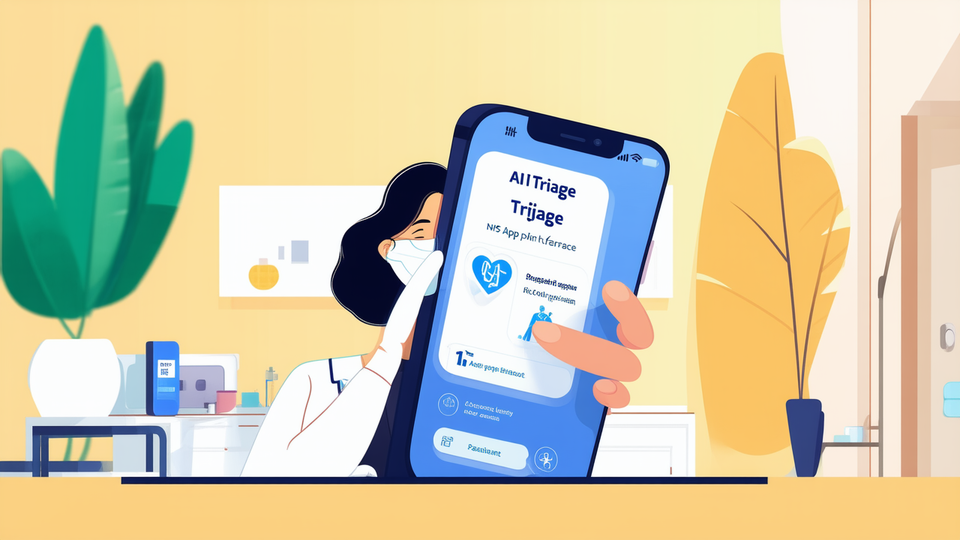
The National Health Service is introducing a new artificial‑intelligence tool into its widely used mobile app. The AI‑driven triage system will ask patients a series of questions about their symptoms and, based on the answers, direct them to the most suitable NHS service – whether that is a GP appointment, a pharmacy, an A&E department, a community care option or self‑care guidance.
This update is part of a broader technology overhaul announced by NHS England. A £10 billion investment, allocated by the government in 2025, is being used to modernise digital and data systems across the service. The AI tool will initially be trialled with more than 200,000 patients over the next twelve months, with a full rollout to every English NHS app user scheduled for April 2028.
Early results are promising. In a pilot at Wealden Ridge Medical Partnership in Sussex, the tool reduced the number of people queuing on the phone for appointments by 29 percent. Dr Ragu Rajan, a GP at the practice, said the system lets patients “tell us what they need, when they need it, and be directed to the right care first time”. He added that the AI does not replace clinical judgement but frees up time for clinicians to apply their expertise.
Sir Jim Mackey, chief executive of NHS England, highlighted the potential impact on patient pathways, noting that the AI will “help get patients to the best service for their needs first time… so that clinicians can make sure those most in need of a GP appointment can get one sooner”. The emphasis on patient safety and confidentiality is echoed by senior health bodies, including the Royal College of Nursing, which stresses that a qualified health professional must remain the final decision‑maker at key points in the process.
Alongside the AI triage tool, the NHS is expanding AI‑assisted note‑taking across hospitals. The technology records conversations between patients and staff, producing real‑time transcriptions and clinical summaries. Early trials at four London trusts and additional sites report that clinicians spend up to 25 percent more time interacting directly with patients when the system is used.
While the rollout has been broadly welcomed, experts such as Pritesh Mistry of the King’s Fund stress the need to address digital exclusion. As services become increasingly technology‑dependent, ensuring that all patients – regardless of age, location or internet access – can benefit from the new tools is essential. The government and NHS must continue to fund and monitor the implementation to deliver value for taxpayers and safeguard patient data.
In summary, the AI‑enhanced NHS app promises a clearer, faster route to the right care for millions of patients, while also freeing clinical staff to focus on hands‑on care. Its success will depend on careful integration, robust privacy safeguards and ongoing attention to inclusive access across England.