Midwest, Northeast, and Ontario Hit by Storm‑Driven Power Outages on July 4, 2026
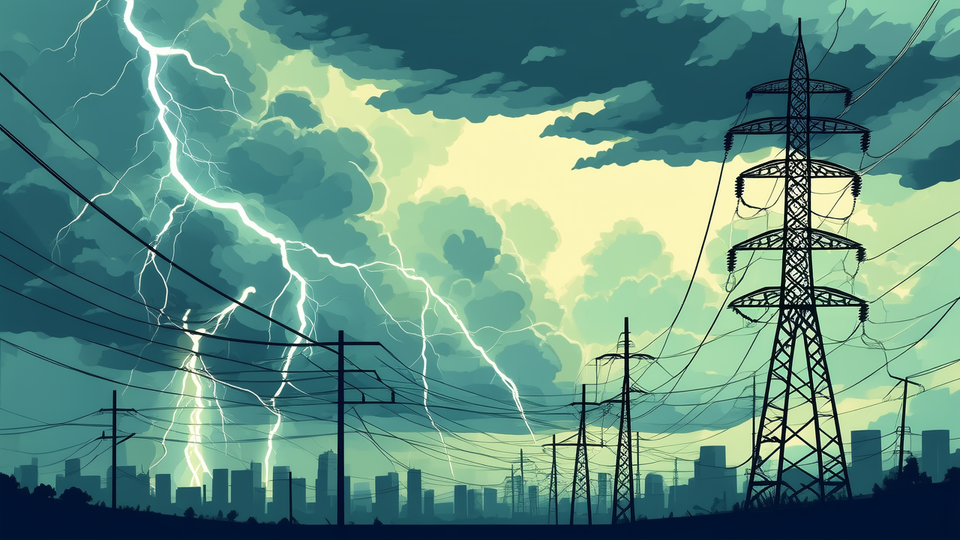
On the nation’s Independence Day, a violent line of thunderstorms surged through the Midwest, the Northeast, and across the border into Ontario, Canada. Strong winds—some gusts topping 60 mph—tore through power infrastructure, leaving about one million residents without electricity at a time when temperatures were soaring above 100 °F in many areas.
In the United States, the outage footprint stretched from the great plains of Kansas and Illinois to the densely populated corridors of Pennsylvania, New York, and New England. In Canada, the storm’s impact was felt most heavily in the province of Ontario, where major utilities reported widespread outages in cities such as Toronto and Ottawa.
The timing could not have been worse. The region was already entrenched in a historic heat wave—the most intense east‑coast heat in decades—driven by a stagnant high‑pressure system that trapped hot, humid air. The heat forced millions to rely on air‑conditioning, pushing the electrical grid to its limits. When the storms knocked out power, residents were left without cooling in sweltering conditions, raising immediate concerns about heat‑related illness and the safety of vulnerable populations.
Utility operators scrambled to assess damage and begin restoration. In the United States, crews performed pre‑emptive shutdowns of certain sections of the grid to prevent cascading failures, while in other areas they deployed portable generators to protect critical services such as hospitals and water treatment plants. In Ontario, the provincial utility engaged mutual‑aid agreements with neighboring provinces to mobilize repair crews, but the sheer scale of the damage slowed recovery.
Officials from both countries emphasized that the event exposed a growing weakness in the electricity infrastructure. Aging transmission lines, limited redundancy, and the increasing frequency of extreme weather events—all linked to climate change—combine to heighten the risk of large‑scale outages. In the weeks following the storm, policymakers in Washington, D.C., and Ottawa announced plans to accelerate grid‑modernization projects, including the integration of advanced sensors, hardening of critical lines, and greater deployment of distributed energy resources such as solar panels and battery storage.
The storm also highlighted the logistical challenges of coordinating emergency response across borders. While the United States and Canada share a long, interconnected grid, differences in regulatory frameworks and communication protocols can delay joint action. After the outage, utility executives and government officials convened a bilateral task force to improve real‑time information sharing and develop joint contingency plans for future cross‑border incidents.
For the millions who endured hours—or even days—without power, the experience was a stark reminder of how dependent modern life is on reliable electricity. As the climate continues to shift, experts warn that similar storms may become more frequent, making resilience planning a top priority for both nations.