July 5, 2026: Turkey’s Nationwide Pre‑NATO Crackdown Detains Journalists and Academics
Introduction
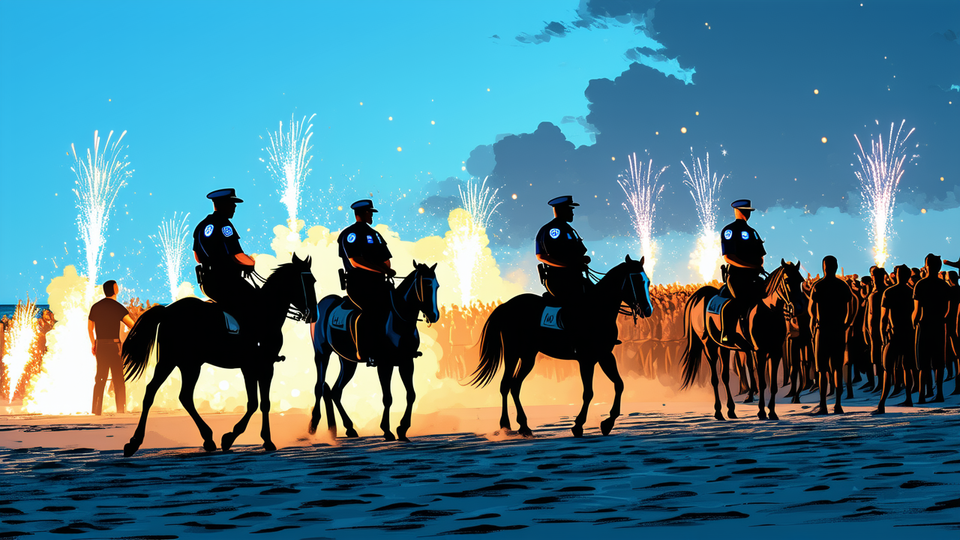
On the morning of July 5, 2026, Turkish authorities intensified security operations throughout the country in the run‑up to a high‑profile NATO summit in Ankara. The actions, described as a nationwide crackdown, were aimed at groups and individuals perceived as opponents of the government’s foreign‑policy stance.
Government Action and Scope
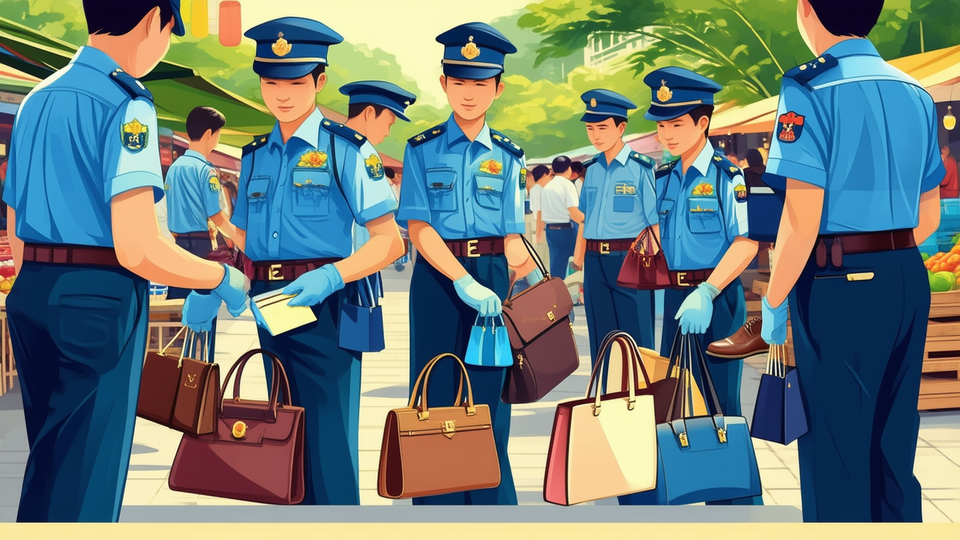
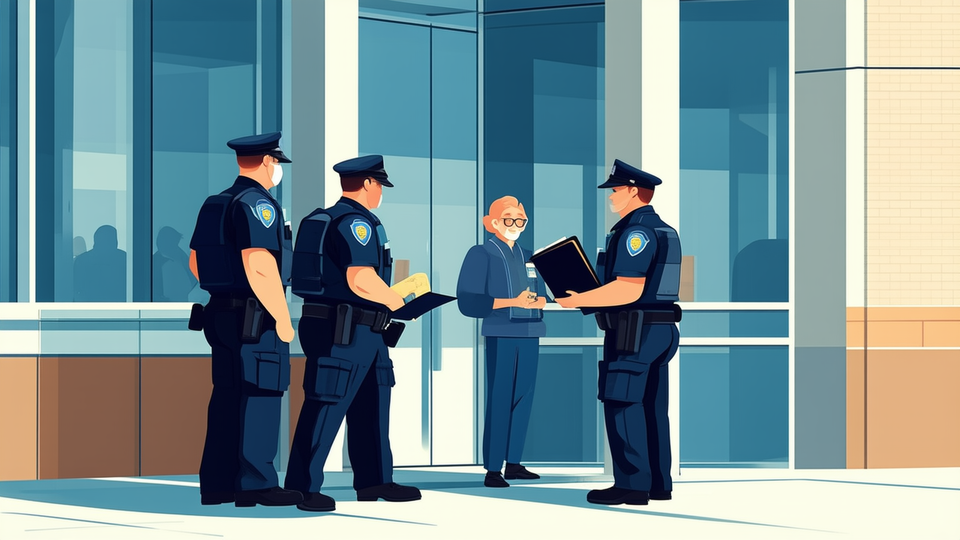
Police and security forces carried out coordinated raids in major cities including Ankara, Istanbul, and Kocaeli, as well as in smaller provinces. In the capital, more than one hundred participants in an anti‑NATO protest organized by the Communist Party of Turkey were arrested. Simultaneously, officials detained journalists from two online news portals, editors of the T24 and Oda TV sites, and a number of academics from public universities. The operations also swept up members of trade unions, the youth wing of the outlawed leftist group THKP/C‑DEV YOL, and individuals linked to both left‑wing militants and alleged Islamic State affiliates. In total, authorities reported over two hundred people taken into custody, including thirty‑nine suspects in anti‑terror raids across eight provinces.
Impact on Press Freedom and Civil Society
The detention of media professionals prompted immediate criticism from the Turkish Journalists’ Association and the Progressive Lawyers’ Association, which argued that the arrests violated press‑freedom guarantees and amounted to intimidation of independent voices. The arrests also disrupted academic work, as university staff were questioned and some campuses faced temporary closures. Civil‑society groups warned that the crackdown could suppress legitimate dissent and erode the ability of citizens to express opposition to government policy.
International Context and Human Rights Concerns
The timing of the raids, just days before the NATO summit, raised questions about the government’s use of security measures to shape the diplomatic environment. Critics, including opposition leaders and international observers, described the detentions as an effort to prevent protests and silence criticism ahead of a global gathering. Human‑rights organisations highlighted the risk that counter‑terrorism legislation is being applied to political opposition, potentially contravening international standards for freedom of expression and assembly.
Conclusion
Turkey’s pre‑NATO crackdown demonstrates a widening gap between security policy and civil‑rights protections. While officials portrayed the raids as necessary for public safety, the breadth of arrests – spanning journalists, scholars, and political activists – suggests a broader strategy to curb dissent. As the NATO summit proceeds, the international community will likely monitor how Turkey balances its security agenda with the fundamental rights of its citizens.