July 5, 2026: Seaplane Crashes Into New York’s East River
Introduction
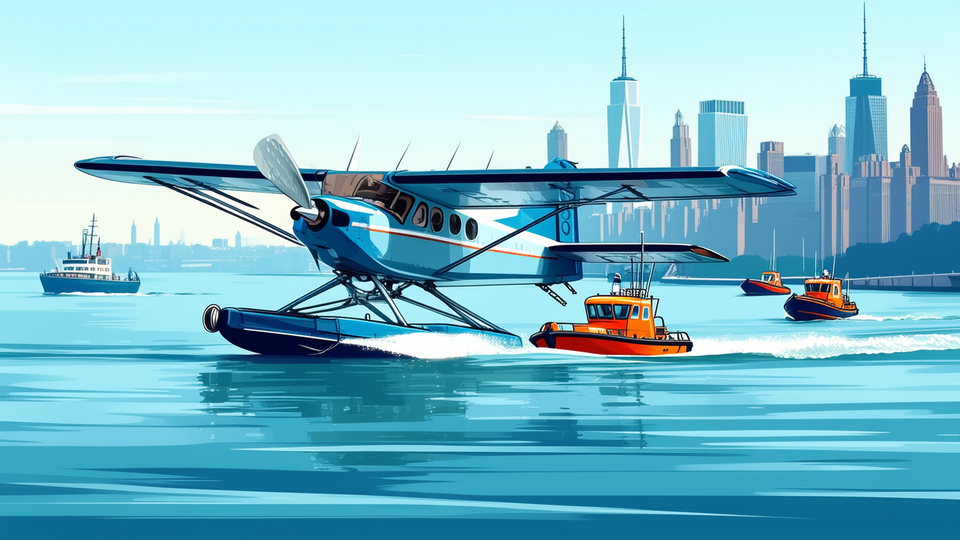
At noon on July 5, 2026 a civilian seaplane attempting to land on the East River in Manhattan made a sudden and hard impact. The incident occurred near the marina at East 23rd Street and the FDR Drive, drawing immediate attention from city officials and the public alike.
What Happened
The aircraft, identified as a Kodiak 100 seaplane, was carrying ten people, including the pilot. According to the New York City Fire Department, the plane experienced a “hard landing” that caused it to tilt onto its side and snap a wing strut. Witnesses and on‑scene video captured the plane upright in the water, with the left wing partially submerged. The pilot reportedly issued a Mayday call before the aircraft touched down. While the plane remained structurally sound enough to be towed, the abrupt descent raised concerns about safety procedures for water‑based aviation in a busy urban waterway.
Reports from multiple news outlets confirmed that eight passengers were safely removed from the water. Two passengers were reported to have suffered minor injuries and chose to decline further medical treatment at the scene. No fatalities were recorded.
Emergency Response and Investigation
The New York City Fire Department, along with the New York Police Department, responded within minutes. Firefighters used rescue boats to pull all occupants from the aircraft, and a New York City helicopter provided aerial oversight of the scene. The plane was subsequently towed back to its dock for further inspection. The Federal Aviation Administration (FAA) announced that it would investigate the cause of the hard landing, noting that air traffic control was not providing services to the aircraft at the time of the incident. Early statements from the FAA cited the snapped wing strut as a key piece of evidence.
This crash follows a similar seaplane incident in the East River three weeks earlier, when a smaller two‑seater was struck by a wave while taking off. The proximity of the two events has prompted city officials to review safety protocols for seaplane operations on the river, emphasizing the need for clear communication with air traffic control and rigorous inspection of aircraft structural components.
Conclusion
The July 5 seaplane crash serves as a stark reminder of the challenges associated with operating aircraft in densely populated urban waterways. While the swift actions of fire and police responders prevented loss of life, the incident underscores the importance of stringent safety measures and coordinated oversight by aviation authorities. Ongoing investigations by the FAA will determine the precise factors that led to the hard landing, with the goal of preventing similar events in the future.