July 3, 2026 – Russia Expands Student Recruitment to Replenish Ukraine War Losses
Student Recruitment Campaign Targets Universities and Schools
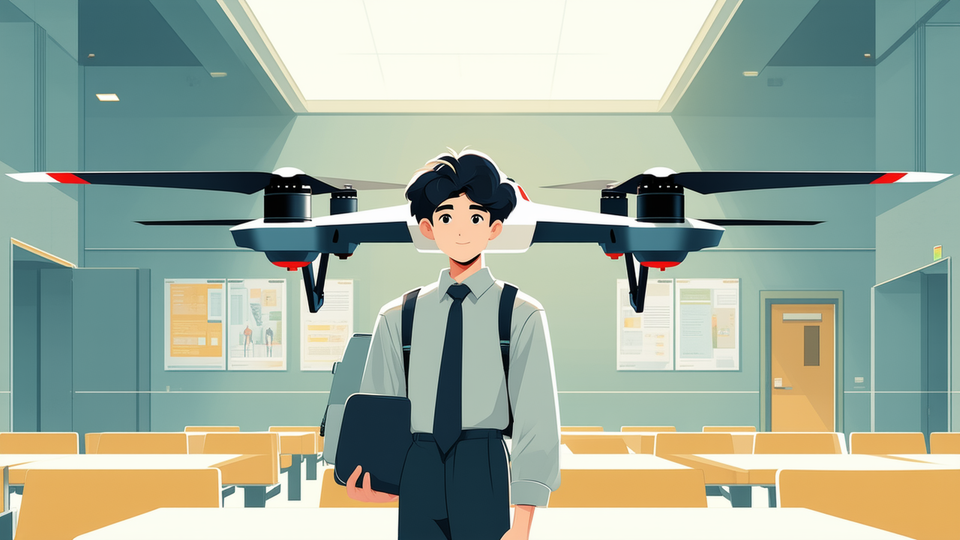
The Kremlin unveiled a nationwide outreach effort on July 3, 2026, urging students at universities, technical colleges, and vocational schools to sign one‑year contracts with the armed forces. Recruitment meetings have appeared in classrooms, dormitories, and online forums, offering volunteers a promise of high pay, modern technical skills, and the chance to serve in the specialized "unmanned systems troops" that operate combat drones.
Authorities present the drone program as a safer, more elite alternative to traditional infantry service. Promotional leaflets in Moscow claim volunteers can earn at least five million roubles in the first year, with additional benefits such as budget‑funded university places, easier admission to postgraduate courses, and improved accommodation. However, legal experts caution that many of these promises may be difficult to enforce, especially as the partial mobilisation decree of September 2022 effectively extends contracts until the mobilisation ends.
Recruitment drives have quickly spread. By late February, evidence showed activity in at least 95 universities, and by April student publications reported nearly 270 institutions promoting the drone contracts. Institutions are reportedly pressured to meet quotas, with some advisers claiming targets of dozens of volunteers per campus. Reports also describe students on the brink of academic leave or expulsion being singled out as prime candidates.
The push comes amid a stark reality on the front lines. Since the invasion began in February 2022, BBC Russian analysis counted 920 confirmed deaths among drone operators, a figure that rivals artillery losses. Notable cases include Valery Averin, a 23‑year‑old student who was killed in a mortar strike near Luhansk just weeks after signing a contract, and other young volunteers who perished within months of enlistment. These losses underscore the high value and vulnerability of drone crews, who are increasingly targeted by both sides for their strategic impact.
Officials argue that the campaign is essential to sustain Russia’s full‑scale war effort as casualties mount. The total confirmed Russian military deaths exceed 230,000, with true figures likely much higher. Replacing these losses has become a priority, and the student recruitment drive is presented as a voluntary pathway for civilians to support the nation while gaining technical expertise.
Critics contend that the promises of safety and career advancement mask the harsh realities of combat. Families of volunteers have voiced concerns about the lack of transparent guarantees, and observers note that many conscripts end up on the front lines despite the program’s high‑tech veneer. The campaign also raises ethical questions about targeting young, often financially vulnerable individuals to fulfill military needs.
As the war enters its fifth year, the Kremlin’s reliance on student volunteers highlights a deepening integration of civilian institutions into the military‑industrial complex. Whether the initiative will succeed in replenishing depleted ranks remains uncertain, but the strategy signals a willingness to mobilise the nation’s youngest citizens to sustain a protracted conflict.