Iran’s New Regime After Khamenei: Shifts in Leadership and Policy
Introduction
The funeral of Ayatollah Ali Khamenei marked a poignant turning point for the Islamic Republic. With his death, a new cohort of officials has taken the helm, signaling both continuity and change in Iran’s political landscape. The transition offers a rare glimpse into the evolving priorities of a regime that has endured decades of sanctions, war, and internal dissent.
New Leadership Profile
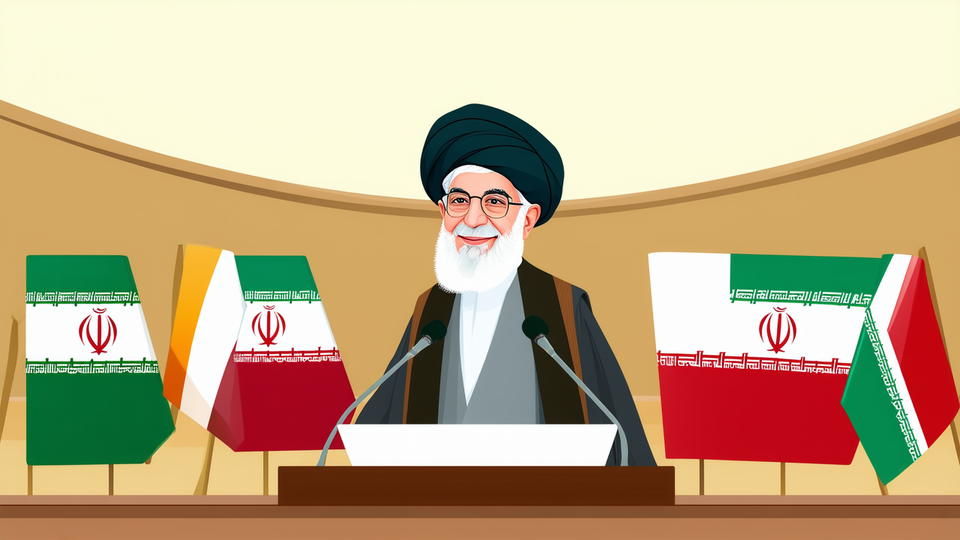
Mojtaba Khamenei, at 56, is thirty years younger than his predecessor and represents a distinct generational shift. Alongside him, President Masoud Pezeshkian brings experience, while key figures such as parliamentary speaker Mohammad Bagher Ghalibaf and IRGC commander Ahmad Vahidi share close ties to the Revolutionary Guard. Their common background in the IRGC suggests a focus on consolidating state power and projecting strength.
Strategic Domestic Changes
The new hierarchy emphasizes pragmatic governance over ideological rigidity. Recent easing of strict dress codes in public spaces and a more permissive stance on alcohol in restaurants illustrate a tentative move toward social flexibility. These adjustments aim to restore public confidence after years of severe economic hardship and widespread protests that once threatened the regime’s stability.
Foreign Policy and Regional Posture
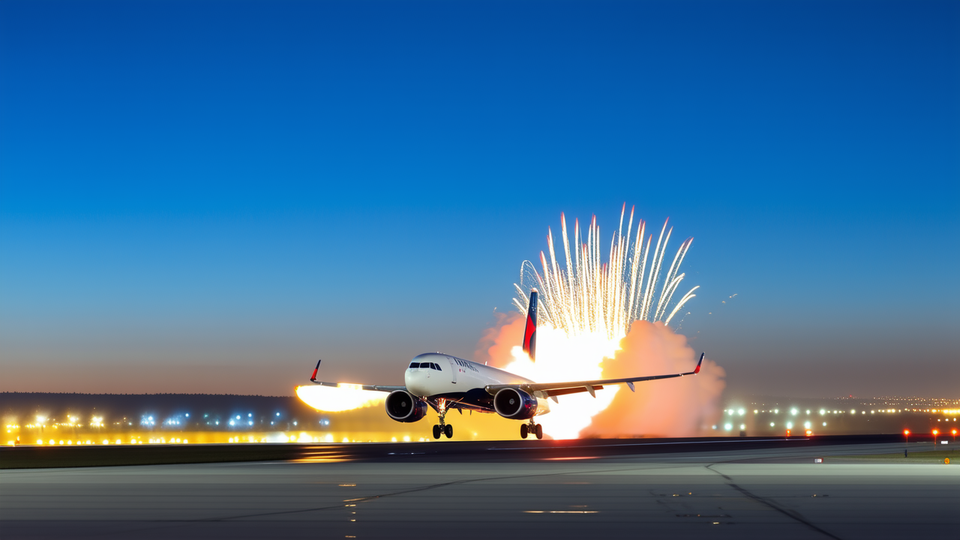
Internationally, Iran’s leadership has adopted a bolder approach. The state has demonstrated willingness to launch missile and drone attacks against U.S. bases across the Gulf, targeting installations in Bahrain, Qatar, and Kuwait. Despite these aggressive actions, Iran simultaneously engages in diplomatic overtures, negotiating ceasefire agreements that could lead to sanctions relief and the reopening of trade routes critical for its oil exports.
The regime’s handling of the Strait of Hormuz—an essential global shipping lane—remains a potent leverage point. By intermittently threatening to close the strait, Iran underscores its strategic relevance while negotiating concessions from the United States and its regional allies.
Economic Outlook
Economic considerations dominate the new leadership’s agenda. A thirty‑day sanctions waiver has already allowed limited oil shipments, and discussions are underway regarding a $300 billion reconstruction plan. The potential unfreezing of Iranian assets and phased lifting of sanctions could provide the fiscal breathing room needed to rebuild infrastructure and revive the domestic economy.
Potential Challenges
Despite these initiatives, the regime faces significant obstacles. Deep mistrust between Tehran and the United States persists, and regional rivals such as Saudi Arabia remain cautious. Moreover, internal pressures from a young, educated population demanding greater freedoms could strain the government's reformist gestures.
Conclusion
Iran’s post‑Khamenei era is defined by a careful balance between assertive regional behavior and pragmatic domestic reforms. The leadership’s IRGC roots ensure a continued focus on security, while economic imperatives drive a more flexible social policy. How these dual tracks evolve will shape Iran’s trajectory and its role on the world stage in the years to come.