France faces nationwide far‑left riots, soaring debt spread and mass‑migration pressure as Macron calls emergency meeting
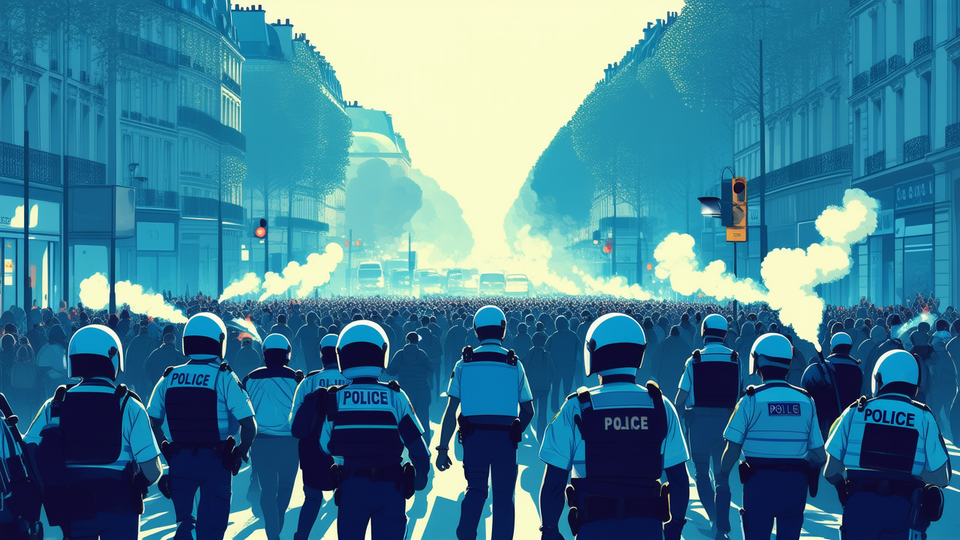
President Emmanuel Macron convened an emergency cabinet meeting on October 7, 2026, after far‑left riots swept France, investors demanded higher yields on French bonds and mass‑migration concerns intensified.
Bloomberg reported that more than 256,000 people demonstrated nationwide on October 6, with nearly 500 arrests recorded that day alone. The protests, which began as school‑related grievances over overcrowded classrooms and aging facilities, quickly spread to major cities and turned violent, with police using tear gas and dozens of officers injured.
At the same time, sovereign‑debt markets showed signs of strain. The spread on 10‑year French OATs widened, and the euro fell to its weakest level since May 2025, reflecting investor anxiety about France’s fiscal trajectory. Eurostat data cited in the reference material indicates public debt stood at 117.6% of GDP in the first quarter of 2026, the third‑highest ratio in the European Union.
Amid the turbulence, Marine Le Pen released a shadow budget on October 6 that proposes reducing the deficit to 3.7% of GDP for the coming year, well below the government’s 5% target, and to 2.2% by 2032. The proposal adds pressure on Macron, whose approval rating has slipped sharply as the political centre erodes.
Analysts quoted in the source material link the riots to years of mass migration, noting that many demonstrators are from migrant‑background communities. Simone Rodan‑Benzaquen of the Foundation for Defense of Democracies warned that far‑left movements are exploiting the unrest to further political aims, while Harvey Feigenbaum of George Washington University highlighted the fiscal squeeze that limits the government’s ability to respond with additional spending.
The French government has already taken steps to quell the unrest, deploying 3,000 extra teachers to affected schools and keeping over 140 schools closed or on remote learning. Yet the combination of social unrest, a widening debt spread and political fragmentation has created a volatile environment ahead of the 2027 presidential election, where Le Pen and Jean‑Luc Mélenchon are seen as frontrunners.
Macron’s emergency meeting is set to address security measures, fiscal policy options and the broader migration debate, with officials expected to report back to the cabinet later this week.