U.S. Secretary of State Rubio announces sanctions on ICC over threats
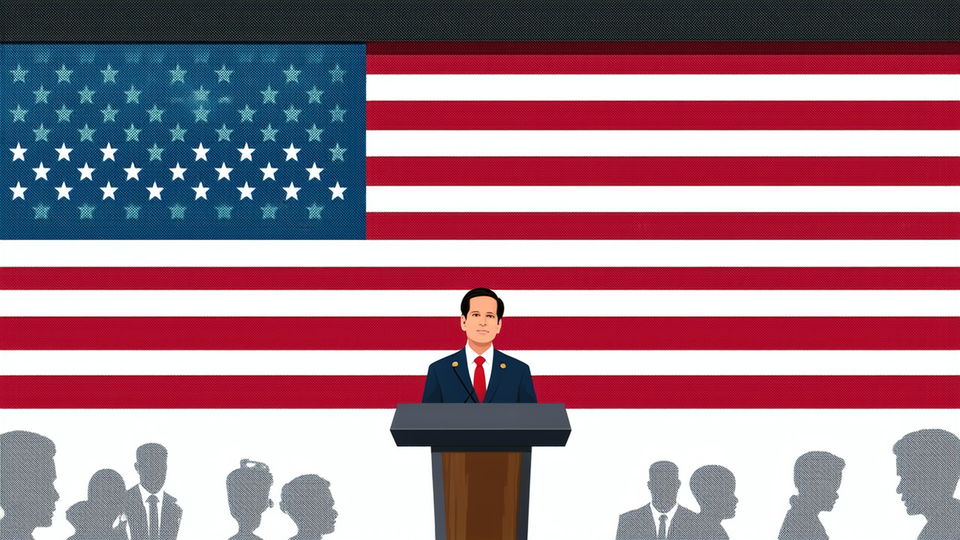
U.S. Secretary of State Marco Rubio announced on Oct. 10, 2026 that the United States will impose sanctions on the International Criminal Court (ICC) unless the court stops what he called “threats” against the United States.
The announcement raises the stakes in a growing dispute between Washington and the Hague‑based tribunal, which investigates genocide, war crimes and crimes against humanity. Rubio said the United States would no longer tolerate what he described as overreach by the court.
Either the ICC will end its threats, or we will end the ICC.
The sanctions require U.S. individuals and businesses to wind down certain transactions with the ICC over a six‑month period, with limited exemptions for essential activities. The measures are part of a broader effort by the Trump administration to curb the court’s operations, a policy direction that began with sweeping sanctions announced the previous week.
Those earlier sanctions targeted the entire institution and were justified by the administration as a response to the ICC’s investigations involving U.S. personnel and Israeli leaders, including Prime Minister Benjamin Netanyahu, who faces an ICC arrest warrant.
The timing of the latest sanctions follows the Nobel Peace Prize award to former ICC judge Navi Pillay, prompting criticism from the court that the United States is attempting to obstruct justice and undermine the international legal order.
ICC officials condemned the sanctions, saying they threaten the court’s ability to pursue accountability for the gravest crimes. The United States has maintained that the tribunal’s actions exceed its mandate and infringe on national sovereignty.
Rubio indicated that the sanctions will be enforced unless the ICC issues a clear statement ending its threats, leaving the next few weeks critical for diplomatic negotiations and the future of the court’s engagement with the United States.