Ethan Hawke warns of rebellion against Hollywood's greedy elites
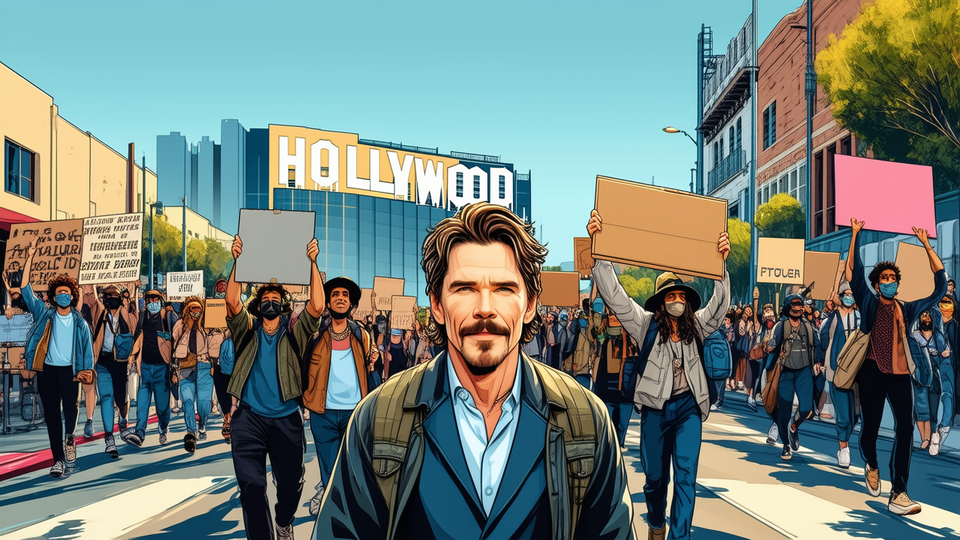
Oscar‑nominated actor Ethan Hawke said in a GQ interview published on 16 October 2026 that he expects large‑scale rebellions in the arts against the “greedy bastards” who dominate Hollywood and believe they control everyone.
The comments come as criticism of concentrated power in the film and music industries has intensified, and they highlight concerns that traditional studio models may soon face serious challenges from independent creators and emerging technologies.
“I believe in rebellion. And I think we’re fundamentally not superficial. And I think people are going to wake up and punch back and there’s going to be massive movements in music and massive movements in live theater and massive movements of people getting together…don’t worry that the money and the greedy bastards that think they control everybody, they always lose in the end.”
Hawke warned that the elite’s sense of invincibility is misplaced, noting that “they’re all going in the grave eventually.” He added that the accumulation of status, power and money has always made him suspicious, and he has deliberately avoided blockbuster franchises throughout his four‑decade career.
He pointed to the rise of user‑generated content as a catalyst for change, citing that YouTube now captures 14.2 percent of TV viewing time, outpacing Netflix’s 7.8 percent. Hawke said the platform’s ability to attract massive audiences without traditional budgets demonstrates a shift toward content that resonates more than algorithm‑driven studio output.
The actor also highlighted the role of artificial intelligence, suggesting that AI could empower independent creators to replicate Hollywood‑level production values, further eroding the advantage of established studios.
In the interview Hawke recalled the late actor Paul Scofield, who chose to perform in his local church rather than on commercial stages, illustrating a personal commitment to artistic purpose over market pressure. He framed his own stance as “giving birth to the universe,” describing creative work as a dialogue with a larger force.
Hawke’s remarks align with recent critiques from other Hollywood figures, including Dakota Johnson’s observation that risk‑averse studios favor sequels and remakes over fresh storytelling. Such sentiments underscore a broader industry conversation about the need for genuine creativity and equitable compensation.
Observers note that the entertainment sector will be watching how studios respond to these calls for rebellion, as creators across music, theater and film organize around shared grievances and emerging technology.