Edmonton Valley Zoo’s Nocturnal Wing Reopens After Renovations
Introduction
On July 4, 2026, the Edmonton Valley Zoo welcomed guests back to its newly renovated nocturnal wing, a key exhibit that showcases the unique behaviors of night‑active species. The revamp reflects a growing focus on animal welfare, scientific education, and visitor engagement, emphasizing the zoo’s role as a steward of biodiversity and community learning.
Renovation Highlights
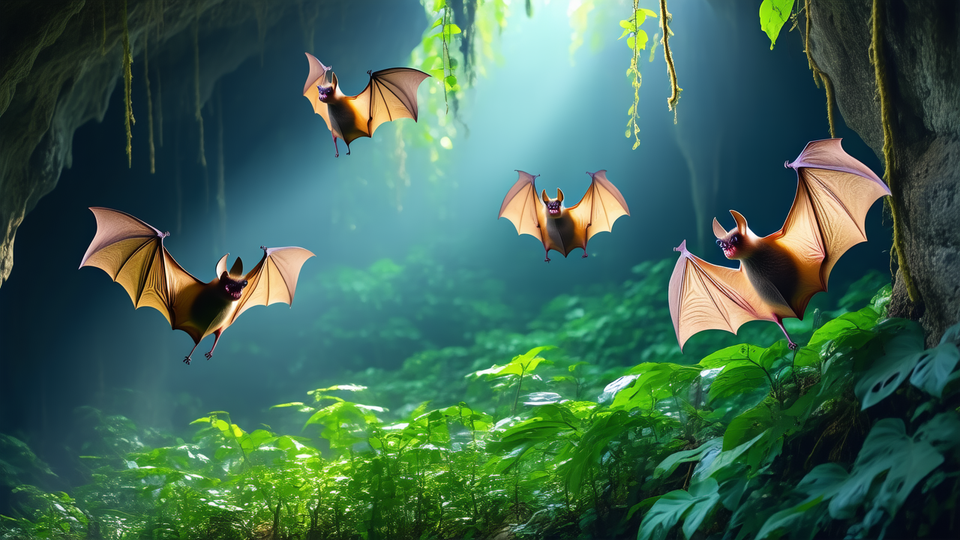
The renovation introduced several critical upgrades. A new back wall, designed to mimic a natural cave, expands the usable space for the 92 Jamaican fruit bats that call the wing home. This structural change allows the bats more room to fly and roost, mirroring their wild habitat. The misting system was replaced with a quiet, efficient model that provides a comfortable microclimate without the disruptive noise of the previous setup. Upgraded lighting now illuminates the exhibit while respecting the bats’ circadian rhythms, making the animals easier to observe without disturbing their natural cycles.
During the construction, the bats were carefully relocated in February. Veterinary staff performed quick health inspections, checking teeth and listening to heartbeats, ensuring each individual remained healthy throughout the move. By late June, the colony was safely returned to the enhanced environment.
Educational Impact
The refurbished wing offers visitors an intimate glimpse into the world of pollinators and seed dispersers. Jamaican fruit bats, though small—averaging 20‑25 grams—play a vital role in pollination and fruit dispersal, supporting broader ecosystem health. By providing a controlled, yet realistic setting, the zoo helps dispel common misconceptions about bats, encouraging public appreciation and support for conservation efforts.
Interpretive signage and interactive displays guide guests through the bats’ life cycles, dietary habits, and ecological importance. These educational tools align with the zoo’s mission to promote environmental stewardship and inspire future generations of wildlife advocates.
Community Response
Local media and visitors have praised the updated exhibit for its blend of scientific accuracy and visitor-friendly design. The quieter misting system and clearer viewing angles enhance the overall experience, allowing families, school groups, and wildlife enthusiasts to engage with the animals in a respectful manner. The project demonstrates how thoughtful design can balance animal needs with public education.
Conclusion
The Edmonton Valley Zoo’s nocturnal wing renovation stands as a model of how modern zoos can integrate animal welfare, scientific insight, and community outreach. By providing a healthier habitat for the bat colony and enriching the visitor experience, the zoo strengthens its role as an educational hub and a champion of wildlife conservation.