Democratic Party Shifts Left: The Rise of Socialist Candidates in 2026
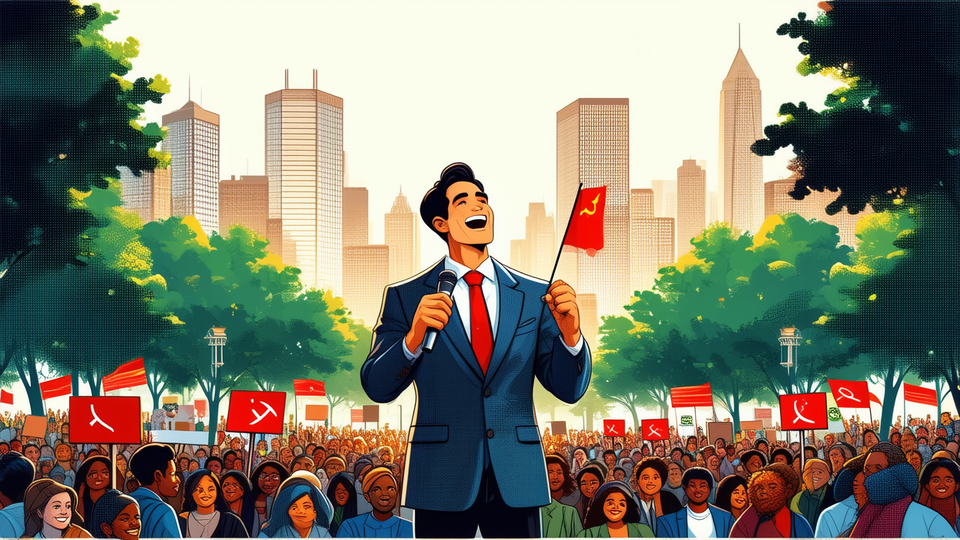
In the summer of 2026, the Democratic Party found itself at a crossroads as a wave of voter discontent reshaped its political landscape. Long‑standing moderates were challenged by a new generation of candidates who embraced the platform of the Democratic Socialists of America (DSA). The catalyst was a coalition led by New York City mayor Zohran Mamdani, whose endorsement helped socialist‑leaning contenders sweep three high‑profile congressional primaries in New York.
The victories were decisive. In districts where establishment figures once held sway, candidates like Dar‑Ila Avila Chevalier ran on platforms that called for “no police at all,” open borders, and the provocative claim that “Israel doesn’t exist.” While such rhetoric alienated many, it resonated with voters exhausted by what they saw as an out‑of‑touch establishment. The Wall Street Journal described the outcome as a “rout for the far‑left over the Left,” highlighting the deepening divide within the party.
Analysts draw parallels to the 2018 “Tea Party” surge that pushed the GOP further right. The New York Times columnist Michelle Goldberg likened the current shift to a “democratic version of the Tea Party,” noting that the electorate’s appetite for bold change is fueled by economic pressures such as higher interest rates and inflation. Recent polls show 39 % of respondents view socialism favorably, with two‑thirds of those identifying as Democrats.
However, the surge poses strategic challenges. As The Washington Post’s Megan McArdle points out, city leaders face “the dismal fiscal realities” that limit the scope of sweeping reforms. Urban areas can’t simply tax away wealth without risking an exodus of residents, a fact that will temper even the most ambitious agendas.
Republicans, meanwhile, are unlikely to sit idle. Commentators in The American Spectator warn that the GOP must craft its own solutions to the affordability crisis, lest it cede the narrative entirely to the “Bolshevik‑style” surge on the left.
For Democratic strategists, the path forward may lie in refining the message. Mamdani’s “sewer socialism”—a focus on practical, everyday concerns like infrastructure, public transit, and affordable housing—offers a template that blends ideological vigor with tangible community benefits. If the party can balance radical vision with pragmatic policy, it could redefine its identity for a new generation of voters.