Cryogenic BioVault Aims to Preserve Cells and DNA from 2,300 Species
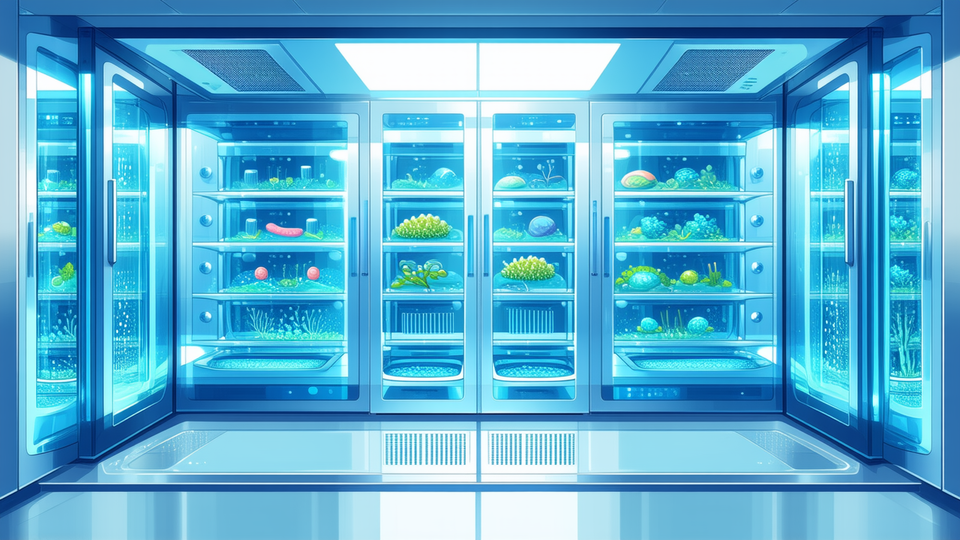
Cryogenic BioVault Preserves Cells and DNA from 2,300 Species
The United States is launching an ambitious conservation project known as the Cryogenic BioVault, a repository that will store genetic material from approximately 2,300 species protected under the Endangered Species Act. Using liquid nitrogen and temperatures of minus‑321 degrees Fahrenheit, the facility will keep living cells, DNA, and reproductive tissues safe for future scientific use.
Colossal Biosciences secured an agreement with the U.S. Fish and Wildlife Service to build the BioVault at its Dallas headquarters while also establishing additional sites. The goal is to collect samples before populations decline beyond recovery, creating a permanent public resource with standardized samples and genomic data available to scientists worldwide.
CEO Ben Lamm emphasizes that the BioVault supports assisted reproduction, genetic management of wild populations, and potential restoration if a species is lost entirely. This technology, he says, makes large‑scale preservation possible for the first time, offering a modern “Noah’s Ark” that prepares for loss before it happens.
Similar cryogenic efforts have already demonstrated the value of preserving individual specimens. In the United Kingdom, a wildlife charity successfully froze sperm and testicular tissue from Jock, a celebrated western lowland gorilla, ensuring his genetic legacy could aid future breeding or even cloning attempts. That case illustrates how cryopreservation can protect valuable genetics even from a single animal.
While the BioVault will not solve habitat loss, pollution, or climate change, it adds a powerful tool to the conservation toolkit. By safeguarding genetic diversity, researchers can strengthen breeding programs, restore genetic variation, and respond more effectively to ecological threats. The initiative underscores a growing belief that science and technology are essential allies in protecting Earth’s biodiversity for generations to come.