Court Clears Way for New Historical Panels at George Washington’s Philadelphia Home
Introduction
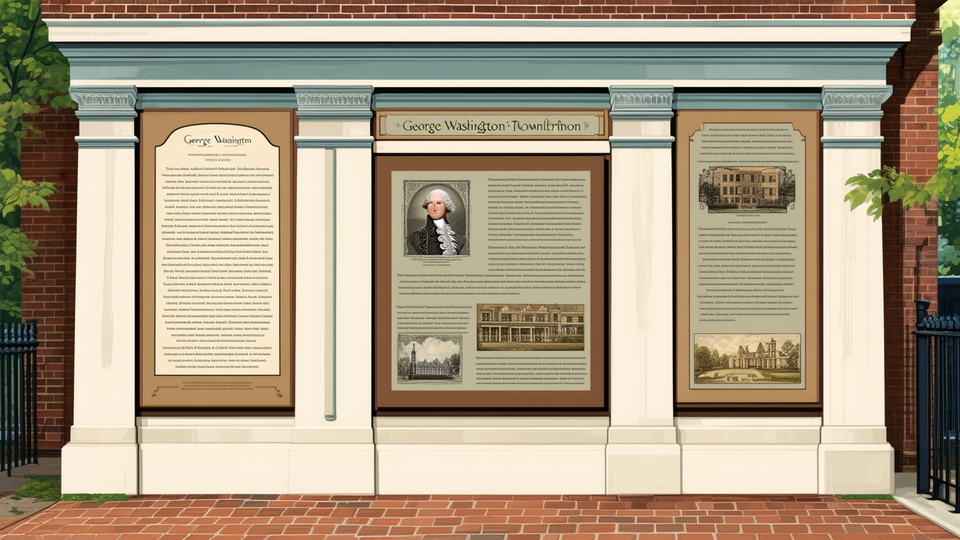
A three‑judge panel of the U.S. Court of Appeals for the Third Circuit issued a decisive ruling on July 3, 2026, allowing the federal government to reinstall interpretive panels at the former home of President George Washington in Philadelphia. The site, once the backdrop for the adoption of the Declaration of Independence, has been a focal point for historians and the public alike, especially because nine enslaved individuals lived there alongside Washington and his family in the 1790s.
Legal Decision
The appeals court’s order reversed a prior injunction that blocked the new panels. The injunction had been prompted by an executive order issued in 2025 by the Trump administration, which called for the removal of any historic signage that could be seen as “disparaging” American history. The order sought to shift the narrative toward a more celebratory view of the nation’s past. In response, the National Park Service and other federal agencies prepared a new set of panels that still mention slavery, the Constitution’s treatment of enslaved people, and the civil‑rights movement, while omitting certain graphic details such as a map of slave‑trade routes. The court found that the lower court had erred in stopping the installation, granting the government permission to proceed “without further delay.”
Implications for Heritage Preservation
City officials in Philadelphia quickly moved to protect the site’s historical depth, filing a request to recall the court’s order while they prepare a response to the federal government’s filing. The city argues that the panels are essential for telling an “exceptionally important” story that has been suppressed for too long. Preservation advocates see the ruling as a victory for transparent historical interpretation, emphasizing that acknowledging the painful aspects of America’s past strengthens public understanding and promotes social justice. Critics of the administration’s earlier policy argue that attempts to sanitize history undermine educational goals and hinder honest dialogue about slavery and its legacy. The new panels, while less graphic, still provide a platform for learning about Washington’s complex relationship with enslaved labor and the broader struggle for freedom that shaped the early republic. As the panels await installation, the debate underscores the ongoing tension between governmental directives, local stewardship, and the responsibility to present a complete narrative of American history.