America’s 250th Birthday: Firefires, Heat Wave and Political Divisions
Celebrations Across the Nation
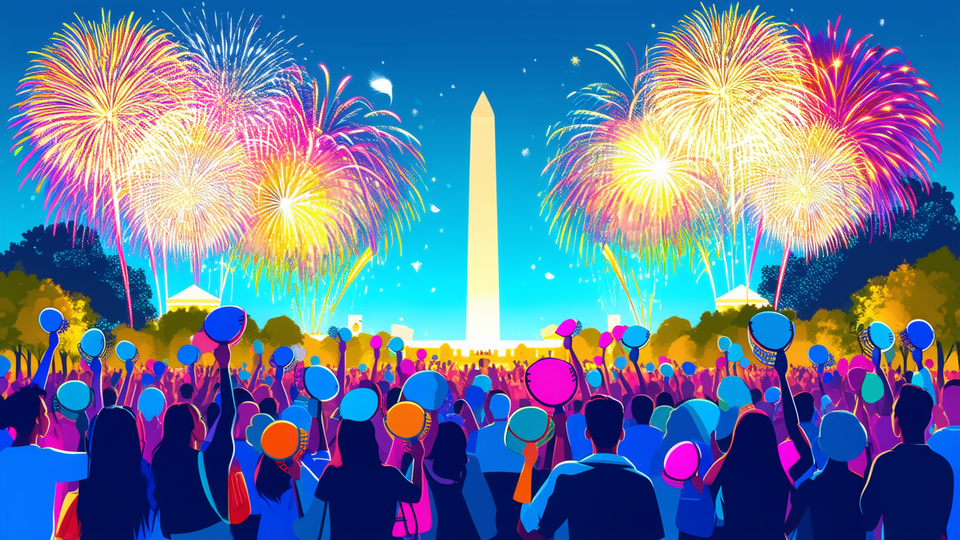
The United States observed its semiquincentennial on July 4, 2026 with a cascade of fireworks displays, concerts, and historic commemorations. President Donald Trump addressed a crowd at the National Mall, promising a "historically enormous" fireworks show. Simultaneously, events unfolded at Navy Pier in Chicago, the skyline of New York City, and a sea of local gatherings from the Pacific Northwest to the Deep South.
Heat dominated the holiday weekend. Temperatures surged into the triple digits in many eastern cities, prompting the Great American State Fair in Washington to close for several hours and forcing the city’s Independence Day parade to be cancelled. Organizers in Washington, D.C., Houston, Philadelphia, and other locales shifted schedules, opened cooling stations, and urged attendees to stay hydrated.
Public‑health officials warned that prolonged exposure to extreme heat could endanger the elderly, children, and those with chronic conditions. The National Weather Service issued heat‑related alerts, while local hospitals reported an uptick in heat‑stroke cases. Citizens were encouraged to seek shade, wear breathable clothing, and limit time outdoors during peak heat hours.
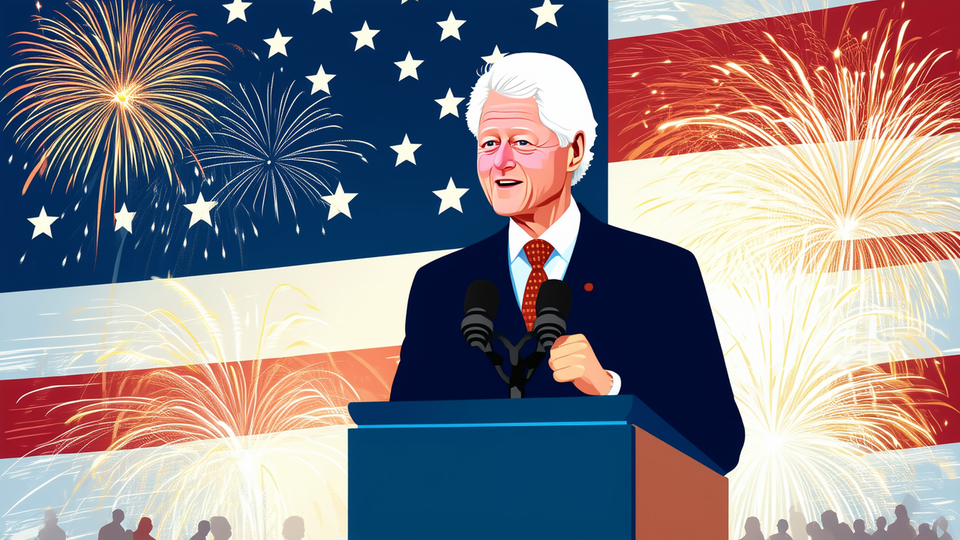
The holiday also highlighted deep political divides. President Trump framed the anniversary as a defense of American values, warning of a “mortal threat” from communism and criticizing what he called a renewed attack on American identity. Meanwhile, New York City Mayor Zohran Mamdani, a Democratic socialist, referenced Trump’s remarks without naming him, emphasizing the resilience of founding ideals. Former President Bill Clinton offered a more conciliatory tone, acknowledging concerns about the nation’s future while asserting that “there is nothing wrong with America that cannot be cured.”
Grassroots voices reflected a mix of patriotism and concern. Auto technician Joe Fuqua‑Bejarano in Topeka, Kansas, spoke of “what makes us awesome” as the community’s resilience, while Jerry Chin of Newcastle, Washington, expressed unease about the political climate but appreciated the chance to celebrate with family. Across the country, smaller gatherings—such as a father and son watching fireworks from a boat in Issaquah, Washington, or a hot‑dog eating contest on Coney Island—offered moments of unity amidst the broader tension.
Despite the challenges, the holiday underscored America’s capacity to adapt and celebrate. The National Mall’s fireworks proceeded after brief delays, and virtual events allowed millions to participate safely. The blend of celebration, public‑health vigilance, and political discourse illustrated the complex tapestry of a nation reflecting on its past while confronting present realities.
As the fireworks faded, the nation faced a clear message: honoring a historic milestone requires not only grandeur but also collective responsibility for health, safety, and respectful dialogue.