America Celebrates 250th Independence Day with Record-Breaking Fireworks and Nationwide Events

The 250th Independence Day Celebration
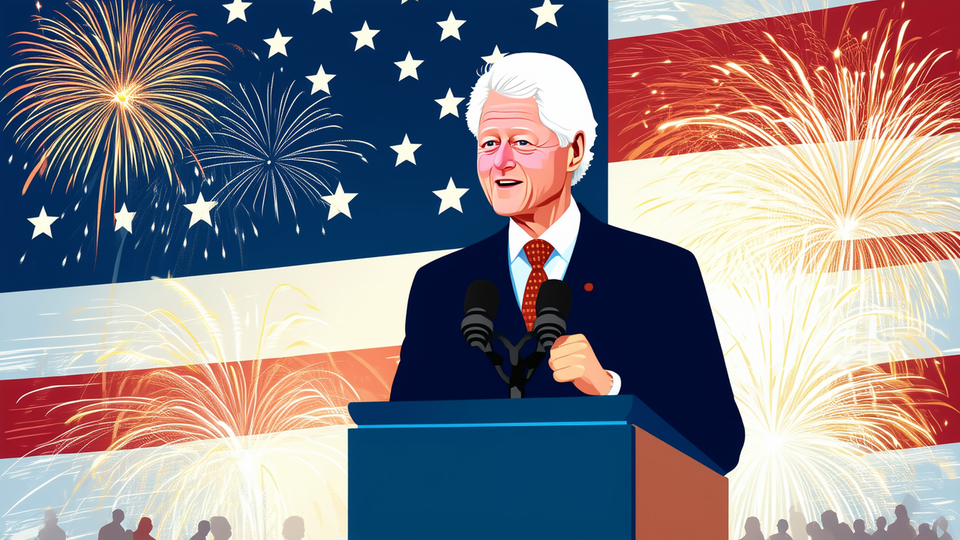
The United States celebrated its semiquincentennial on July 4, 2026 with a series of historic events that highlighted the country’s resilience, technological advancement, and shared values. From coast to coast, cities hosted fireworks that illuminated skies in a coordinated effort to set a world record. In New York, a synchronized barrage of 850,000 rockets was launched from multiple locations, while Chicago’s Navy Pier and Los Angeles’ iconic downtown stage offered spectacular displays that echoed the nation’s founding spirit. Communities gathered in parks, along riverfronts, and at historic landmarks to watch the fireworks, creating a vivid tapestry of light that symbolized a collective commitment to liberty and progress.
Beyond visual splendor, the day featured an unprecedented series of military flyovers. More than thirty aircraft, including the Air Force Thunderbirds, Navy Blue Angels, and a newly introduced presidential aircraft, traced routes over Washington, D.C., and other major hubs. The coordinated aerial displays underscored the role of technology and scientific expertise in national defense, while also serving as a reminder of the sacrifices made to protect the freedoms celebrated on Independence Day. In cities such as Seattle, Austin, and Phoenix, local residents watched as jets and bombers performed intricate maneuvers, prompting a sense of awe and gratitude.
Organizers placed public‑health and safety measures at the forefront of planning. The East Coast endured an extreme heat wave, with temperatures soaring above 100°F in many locations, prompting authorities to open cooling centers, adjust parade routes, and delay some events. Health officials issued guidance on hydration, sun protection, and heat‑related illness, reinforcing the importance of community care during large gatherings. These efforts reflected a commitment to wellness and environmental stewardship, as cities also monitored air‑quality impacts from fireworks and encouraged the use of cleaner, low‑smoke pyrotechnic compositions where possible.
Political and cultural dimensions added depth to the celebrations. Speakers across the nation, including local leaders, invoked the Constitution’s principles of freedom, equality, and civic responsibility. The day’s festivities offered a platform for reflection on social justice and the ongoing pursuit of a more inclusive America. Many participants, from volunteers operating concessions to veterans sharing stories, embodied a spirit of service and solidarity, illustrating how civic engagement can lift a nation during moments of shared celebration.
Across the country, regional traditions added local flavor to the national narrative. In the Midwest, communities organized baseball games and parades; in the South, historic towns like Bristol, Rhode Island, highlighted early Independence Day celebrations dating back to 1785. In the West, residents of San Francisco and Seattle combined the fireworks with large‑scale concerts featuring popular musicians, while coastal towns in Florida and the Carolinas offered beachside gatherings that emphasized environmental appreciation and sustainable tourism.
Overall, the 250th Independence Day proved to be more than a series of spectacles. It fostered a renewed sense of unity, highlighted the value of scientific and technological achievements, and demonstrated a collective dedication to health, safety, and the enduring ideals on which the nation was founded. As the final fireworks faded, the shared experience left a lasting impression of hope and determination for the next quarter‑century.