Amazon signs 20‑year nuclear power deal with Constellation Energy for Maryland plant
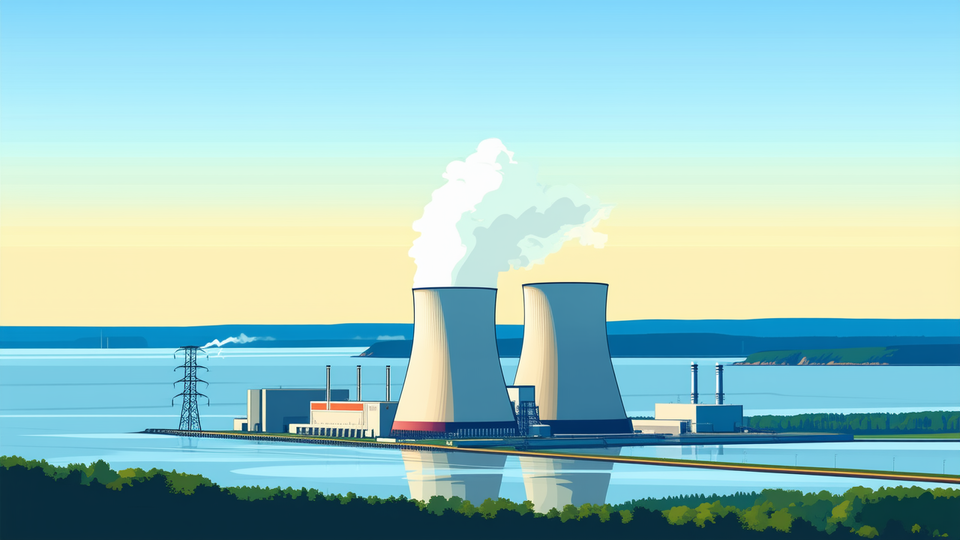
Amazon and Constellation Energy signed a 20‑year power purchase agreement on September 30 2026 to supply 690 megawatts of nuclear electricity from the Calvert Cliffs Clean Energy Center in Maryland, along with a retail electricity supply contract for Amazon’s operations across the 13‑state PJM market.
The agreement gives Amazon long‑term price certainty for the power that fuels its data‑center and artificial‑intelligence infrastructure, while providing Constellation with revenue stability needed to fund more than $3 billion in plant upgrades and a 190‑megawatt capacity increase slated for 2030‑32.
Calvert Cliffs operates two reactors with a combined capacity of about 1,790 megawatts—enough to power roughly 1.3 million homes. The new 690‑megawatt commitment, which includes the future uprate, represents a substantial share of the plant’s output and will continue to flow into the regional PJM grid.
"This agreement demonstrates how private investment can strengthen critical energy infrastructure," said Constellation CEO Joseph Dominguez.
Amazon’s vice‑president of AWS Global Operations, Kerry Person, highlighted the environmental angle, noting, "Amazon is committed to investing in carbon‑free energy to strengthen the grid and benefit the communities where we operate."
Carly Davenport, a Goldman Sachs analyst, called the deal "positive for the industry broadly" and said it underscores the growing demand for stable, clean power to support big‑tech data‑center expansion.
The deal also supports Constellation’s plan to seek a 20‑year extension of Calvert Cliffs’ operating licenses, currently authorized through 2034 and 2036. By locking in a major corporate off‑taker, the utility can move forward with advanced upgrades and explore additional clean‑energy projects on site.
Looking ahead, the upgraded plant is expected to generate new jobs and bolster Maryland’s energy reliability as the state navigates increasing electricity demand from electrified transportation and data‑center growth.