Zuma’s Indian Meeting with Ajay Gupta Sparks Renewed Outrage Over State Capture Scandal
Zuma’s Indian Meeting Rekindles State Capture Concerns
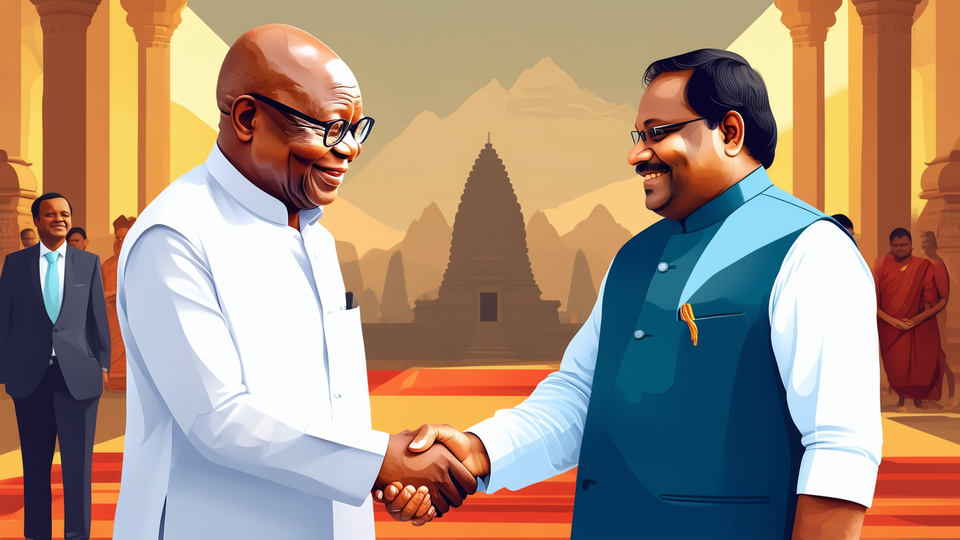
Former President Jacob Zuma travelled to India in early March 2026, where he was photographed sharing a moment with Ajay Gupta, a member of the Gupta family linked to South Africa’s notorious state‑capture scandal. The image, taken at an Indian temple, quickly spread through media outlets and ignited fresh public outrage.
South African cabinet minister Khumbudzo Ntshavheni described Zuma’s actions as “showing the middle finger” to citizens who lost significant wealth due to the Gupta brothers’ alleged corruption. The minister emphasized that the Gupta family’s influence, which once shaped policy and government contracts, remains a painful memory for many South Africans.
Following the meeting, international relations minister Ronald Lamola announced that a formal investigation would be launched to examine the appropriateness of the encounter. Lamola warned that Zuma appeared to be pursuing a “parallel foreign policy,” raising questions about his motivations and potential plans to re‑enter the political arena.
Despite repeatedly denying wrongdoing, Zuma’s political party, the uMkhonto weSizwe (MK) party, announced his intent to stand for re‑election in upcoming national elections. This declaration has deepened concerns about the lingering impact of the state‑capture network on South Africa’s democratic institutions.
The scandal’s legacy includes the successful judicial commission that exposed the Gupta brothers’ extensive illicit activities, leading to their departure from South Africa in 2018 and the cancellation of an arrest warrant for Ajay Gupta. International scrutiny remains high, especially after the failure of the United Arab Emirates courts to extradite the younger Gupta brothers on South Africa’s request.
Public sentiment, amplified by social media and traditional news channels, reflects a collective call for accountability. Citizens demand that leaders who associate with corrupt figures be held to the highest standards of transparency, reinforcing the principles of good governance and ethical public service.
In summary, Zuma’s meeting with Ajay Gupta has reignited a painful chapter of South Africa’s recent history. The episode serves as a reminder that vigilance, legal oversight, and an informed citizenry are essential to prevent the recurrence of large‑scale corruption and to restore trust in the nation’s political system.