Missing Venezuelan Deportees After June 2026 Earthquake: Families Still Search
Missing Deportees After Venezuelan Quake
In late June 2026, the United States deported a group of more than 140 Venezuelan nationals on Flight 164, a flight that arrived in La Guaira on June 24. The passengers, many of whom had lived in the United States for years, were taken to a hotel near the coast while they completed medical exams and received travel documents.
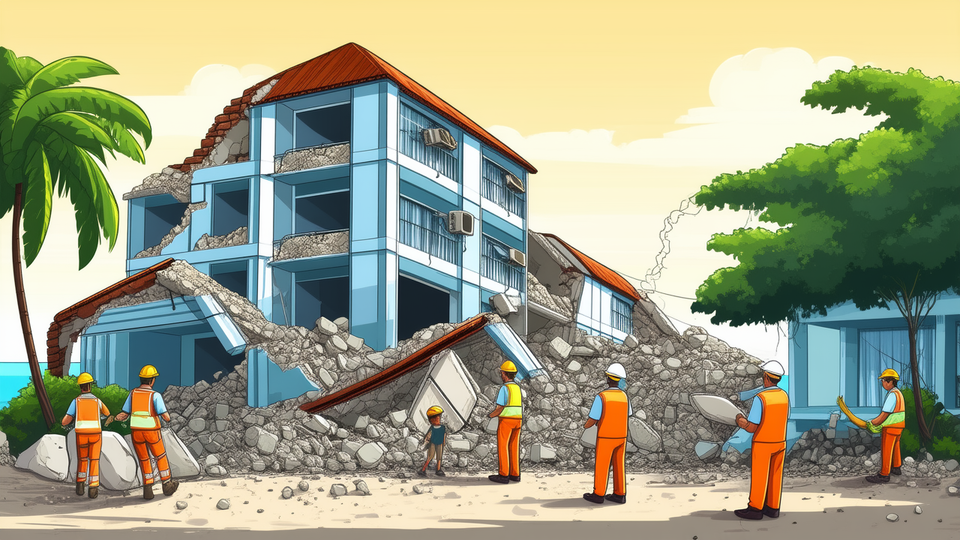
Just hours after their arrival, twin earthquakes struck Venezuela, causing massive destruction. Official figures report at least 2,200 deaths, over 10,000 injuries, and an estimated 50,000 people missing. The hotel where the deportees were staying, Hotel Santuario La Llanada, suffered severe damage, and access to the building was blocked by authorities who deemed the site unsafe.
Families of the deportees, already dealing with the emotional strain of sudden return, now face an uncertain and painful search for their loved ones. In Atlanta, the family of Abelardo Rincón, a 23‑year‑old who had built a life in Georgia, was left with a phone call from his grandfather, who described seeing hundreds of bodies in morgues. Rincón’s grandfather has been unable to locate his grandson’s remains, despite repeated attempts to visit the collapsed hotel.
Similar stories echo across the region. Darwin Eliecer Serrano Lopez, a 35‑year‑old who had spent four years in the United States, called his cousin on the night of his return, only to learn that the quake struck half an hour later. His cousin has since expressed fear that he is dead, while his wife continues to wait for any proof. Daniel Alejandro Núñez, 28, also called his mother after landing, and his family has been searching hospitals, morgues, and relief centers without success.
The U.S. Department of Homeland Security confirmed that the flight safely reached Venezuela and that “all illegal aliens on board were returned home.” The statement added that once an individual leaves ICE custody, the agency is no longer responsible. No further details about the condition or whereabouts of the deportees have been released, leaving families with limited official guidance.
Amid the chaos, some survivors have emerged. Lisbeth Portillo, 58, described escaping from a second‑floor room as the building crumbled, and Anderson Daniel Salcedo, 22, was rescued after spending 40 hours trapped without identification, later learning that his legs were amputated. Their testimonies highlight both the fragility of life in disaster zones and the resilience of those who survive.
Humanitarian organizations and local Venezuelan officials have posted hotlines for families, but many report that communication lines remain blocked or unreliable. The lack of clear information has intensified the anguish of relatives on both sides of the border, underscoring the need for coordinated disaster response that considers the unique vulnerabilities of recently deported migrants.
Beyond the immediate tragedy, the event raises broader questions about immigration enforcement and the safety of individuals returned to crisis‑prone regions. Advocates argue that policies must incorporate risk assessments and humanitarian safeguards to prevent similar outcomes in the future.
As search efforts continue, families await definitive answers, hoping for closure while navigating a painful intersection of forced migration and natural disaster.