Zelensky Urges U.S. Missile Defense at NATO Summit Amid Growing Threats
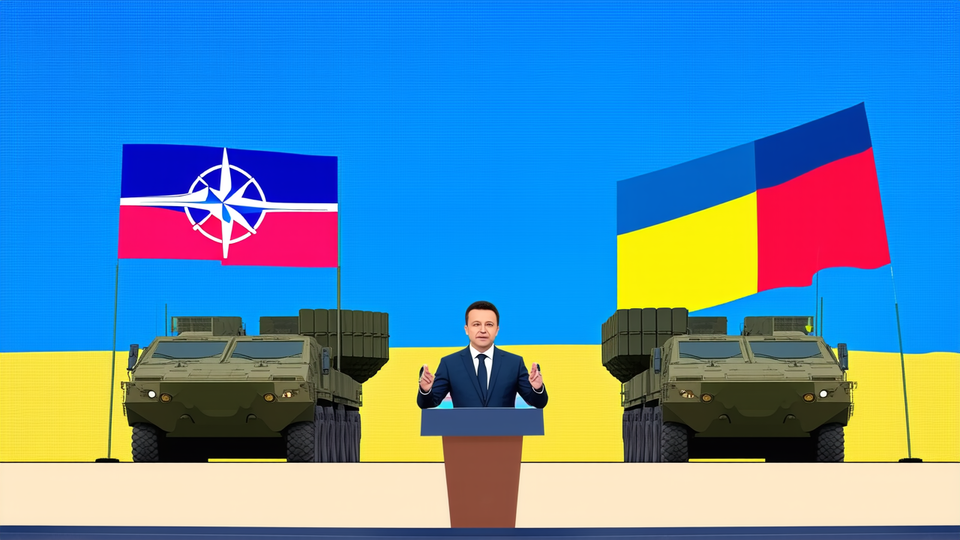
Zelensky’s Urgent Appeal at the NATO Summit
During the NATO summit in Ankara, Ukrainian President Volodymyr Zelensky addressed the alliance and asked the United States for decisive missile‑defence assistance. He warned that without additional Patriot and other interceptor systems, Ukraine’s ability to repel Russian missile and drone attacks would continue to weaken.
The request came as reports confirmed that the United States had expended roughly half of its Patriot and THAAD interceptors during the recent war in Iran. Analysts note that this depletion has created bottlenecks in global stocks, limiting the rapid transfer of missiles to allies. Ukrainian officials described a “fractured” air‑defence shield, forced to choose which threats to engage as ammunition runs low.
U.S. officials have also warned that the high rate of interceptor use could affect future deliveries to other NATO partners, including planned shipments of PAC‑3 missiles, Tomahawk cruise missiles and HIMARS rockets. The strain on supply chains underscores the strategic dilemma facing Washington: balancing immediate Ukrainian needs with broader alliance commitments.
Turkey’s role in the summit highlighted the complex dynamics within NATO. While Ankara controls critical straits and hosts the alliance’s second‑largest military, its relationship with the United States remains strained over issues such as the S‑400 system and sanctions. Nonetheless, Turkish leaders welcomed the dialogue and expressed support for strengthening collective defence.
In response, NATO Secretary‑General Mark Rutte announced a strategic air‑lift fleet upgrade and the procurement of new surveillance aircraft, signalling a broader effort to boost alliance readiness. Yet the core demand remains: a clear commitment from the United States to supply the missing missile‑defence interceptors that Ukraine urgently needs.
Zelensky concluded by asking whether NATO members truly believe a country without adequate air‑defence can remain secure. His plea places the United States at a crossroads, where the decision to allocate remaining interceptors will shape both Ukraine’s battlefield resilience and the alliance’s long‑term defence posture.