Marysville High School battles to retain the “Indians” mascot under new California law
Introduction
Marysville High School, a small public high school in Yuba County, California, has found itself at the center of a statewide debate over Native American mascots. In July 2026 the school officially retired the “Indians” mascot in response to a new state law that prohibits the use of certain Native American terms and symbols in school names, logos, and team nicknames.
Legal Background
The law, passed in 2024 by Governor Gavin Newsom, expands earlier bans and adds a list of terms that include “Apaches, Braves, Chiefs, Chiefs, Indians, Savages, Squaw” and others. Schools may retain existing mascots only if they obtain written consent from a federally recognized tribe. The statute does not define how to resolve disagreements between tribes about what is derogatory, leaving schools in a gray area.
Marysville’s Response
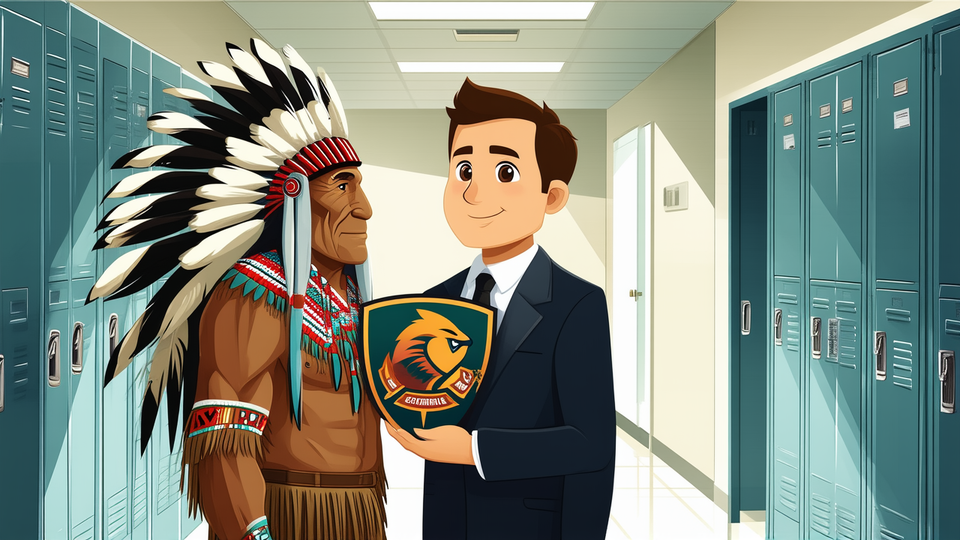
Following the law’s effective date, Marysville High School removed the mascot from official use. Superintendent Jordan Reeves announced that the district plans to pursue the one exemption the law allows. Reeves emphasized the deep historical connection many alumni and community members feel toward the “Indians” name, describing it as a source of pride and identity.
District officials have reached out to several tribal entities, including the nearest federally recognized tribe, Enterprise Rancheria, seeking consent. Initial meetings have not produced a clear endorsement, and the tribe has remained neutral, highlighting the complex nature of tribal consent under the new policy.
Broader Implications
The Marysville case illustrates the tension between state‑wide efforts to eliminate potentially offensive symbols and local desires to preserve tradition. Advocates of the law argue that removing derogatory mascots promotes respect for Native cultures and supports social justice goals. Critics worry that over‑broad bans may erase cultural references that some community members cherish, especially when tribes themselves have differing opinions.
Education experts note that the dispute provides a teachable moment about cultural sensitivity, the importance of tribal sovereignty, and the role of public schools in reflecting inclusive values.
Conclusion
Marysville High School’s pursuit of tribal permission to restore the “Indians” mascot underscores the nuanced challenges of implementing cultural change through legislation. As the district continues its dialogue with tribal leaders, the outcome will signal how California’s mascot law functions in practice and how communities can balance respect for Indigenous perspectives with local heritage.