Zelensky Urges NATO to Deliver More Air‑Defence Systems at July 2026 Summit
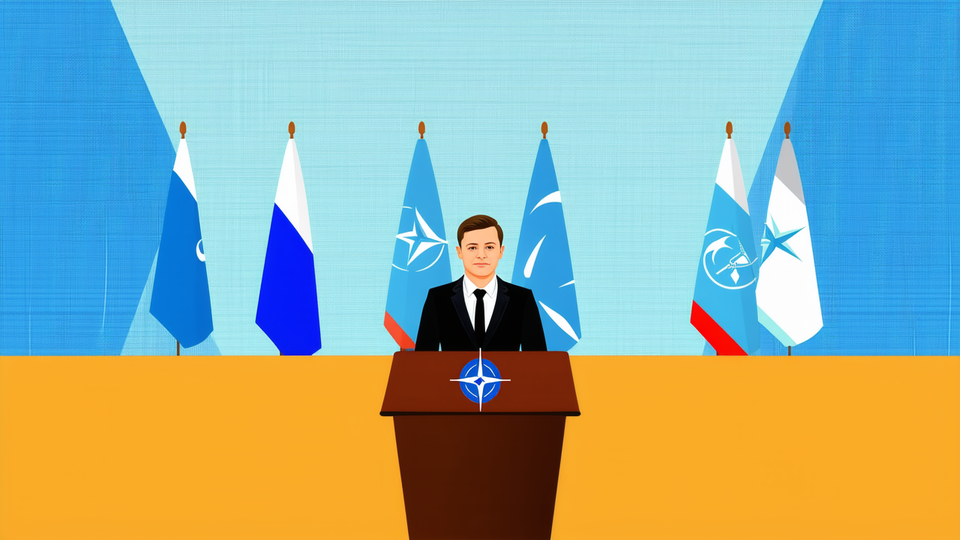
Zelensky Presses NATO for Immediate Air‑Defence Support
Ukrainian President Volodymyr Zelensky travelled to Ankara in early July to address NATO leaders at the summit. In a televised statement, he warned that “decisions are needed now” to provide greater protection for Ukraine’s people and to boost the country’s defensive capabilities against Russian missile and drone attacks.
Recent strikes have underscored the urgency of his appeal. Within a single week, Russian missiles struck residential blocks in Kyiv, killing more than fifty civilians and causing extensive damage. The Ukrainian air force’s daily reports show that while most drones are intercepted, the failure rate for ballistic missiles remains high, with no ballistic missiles stopped in the latest attack.
In response, Zelensky outlined a two‑fold request. First, he called on NATO members to supply additional Patriot and other interceptor missiles that can engage high‑speed ballistic weapons. Second, he proposed that Ukraine could produce U.S.–built Patriot systems domestically, pending the necessary licences and approvals from the United States. This suggestion aims to expand Ukraine’s capacity to defend its skies while reducing reliance on external stockpiles.
Throughout the summit, Zelensky scheduled nearly twenty one‑on‑one meetings with NATO leaders, seeking to turn political commitments into concrete deliveries. He also anticipated a high‑profile meeting with U.S. President Donald Trump, hoping to reinforce American support. NATO Secretary General Mark Rutte urged all members to “pull their weight,” emphasizing that a stronger air‑defence network would help Ukraine change the dynamic on the battlefield.
The call for additional air‑defence assets reflects a broader strategic shift. By bolstering missile interception capabilities, Ukraine aims to protect civilian infrastructure, maintain morale, and limit the effectiveness of Russia’s long‑range strike campaign. Successful delivery of these systems could also signal a united NATO stance against further aggression, reinforcing the alliance’s commitment to collective security.
While the summit concluded, Zelensky’s message remains clear: without sufficient air‑defence missiles, Ukrainian cities and critical sites remain vulnerable. The coming weeks will test whether NATO allies can translate diplomatic promises into the rapid deployment of the interceptor systems Ukraine urgently needs.