White House Report Accuses Smithsonian’s History Museum of Ideological Capture
Introduction
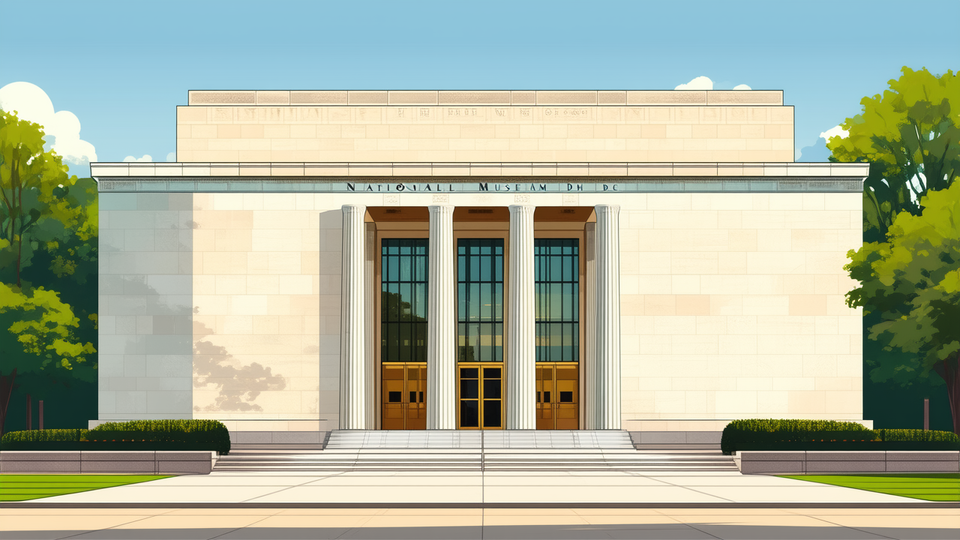
The federal executive office released a 162‑page analysis in early July that alleges ideological capture at the National Museum of American History. According to the report, the museum has shifted from a focus on foundational American narratives to exhibits that foreground contemporary social issues such as race, gender, climate change, immigration and systemic injustice.
Report Findings
The White House summary says the museum’s interpretive plan directs staff to connect every object to seven core topics identified as “the core issues of our time.” It notes the absence of a major exhibition dedicated to the nation’s founding era, the Continental Congress, or key Revolutionary moments. The report further criticizes curator Anthea Hartig for describing history as a “prime tool of social justice” and for suggesting that audiences “get out of the ‘America First’ mentality.”
Among the specific accusations are claims that the museum promotes pro‑abortion messaging, anti‑gun activism, illegal immigration, gender ideology, explicit sexual content, and the assertion that the United States rests on “stolen land.” It charges that historic symbols are being “questioned, dismantled, and reinterpreted” rather than celebrated.
Museum Response
Museum officials and a Smithsonian spokesperson rejected the allegations, emphasizing that the institution has a long‑standing commitment to non‑partisan and independent scholarship. They point to existing exhibits that feature original copies of Thomas Paine’s Common Sense, George Washington’s portable desk, and a document box used at the Constitutional Convention—objects that celebrate the nation’s founding principles.
Staff members also argue that the museum’s displays aim to reflect the full complexity of American history, including both triumphs and shortcomings, in order to foster informed public dialogue. The Smithsonian stresses that its work is guided by professional standards rather than political agendas.
Context and Implications
The report emerges from an executive order issued in March 2025 that called for a review of federally funded cultural institutions. Critics of the report view it as part of a broader political effort to reshape the narrative around national heritage, while supporters see it as a necessary correction to perceived activist overreach.
Regardless of perspective, the dispute highlights a growing national conversation about how museums should balance the presentation of foundational history with the inclusion of diverse and contested viewpoints.
Conclusion
The White House report frames the Smithsonian’s history museum as an arena of ideological conflict, accusing it of prioritizing contemporary social issues over traditional patriotic storytelling. The museum’s leadership stands firm in defending its scholarly mission, underscoring a broader debate over how America’s past should be interpreted for future generations.