Can a Blood Test Predict Cancer Return? Inside Toronto’s SHERLOCK Trial
Introduction
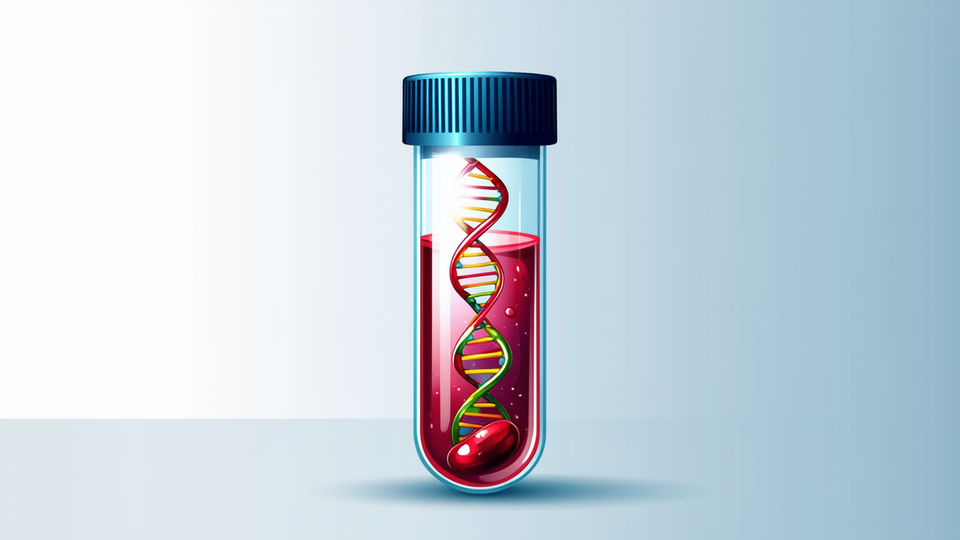
Detecting whether cancer has returned after curative treatment has long required repeat imaging and invasive procedures. Now a groundbreaking trial at Princess Margaret Cancer Centre in Toronto explores whether a simple blood sample—known as a liquid biopsy—can spot microscopic traces of tumor DNA, offering earlier insight and potentially sparing patients from unnecessary treatments.
How the SHERLOCK Trial Works
Led by Dr. Lillian Siu, the SHERLOCK study aims to enroll 7,000 patients who have completed chemotherapy, radiation, or other curative therapies. Researchers will regularly draw blood to measure circulating tumour DNA (ct‑DNA). When the test detects ct‑DNA, it is considered a positive result, suggesting that residual cancer cells remain. Those patients may receive experimental immunotherapies or other targeted treatments designed to eliminate the remaining disease before it fully returns.
A negative test, showing no detectable ct‑DNA, could indicate that the cancer is truly gone. In such cases, clinicians might safely discontinue further chemo or radiation, reducing side‑effects and improving quality of life for survivors.
Why This Matters
The promise of liquid biopsies lies in their ability to identify molecular residual disease—tiny remnants of cancer that imaging cannot see. Smaller studies worldwide have hinted that even minute amounts of ct‑DNA can predict a high likelihood of recurrence. By gathering data from a diverse, large‑scale cohort, SHERLOCK seeks to confirm whether this approach works reliably across multiple cancer types.
Dr. Siu emphasizes that, although encouraging, the test is not yet the standard of care. The trial’s five‑year follow‑up will be essential to demonstrate that early detection truly translates into longer‑term survival and better outcomes. Moreover, the $50‑million donation from the Peter Gilgan Foundation underscores the public and private commitment to advancing this technology.
Potential Impact on Patients
For patients like 68‑year‑old Paul Lonergan, who described the fear of cancer returning as “the anxiety that happens all over again at the next scan,” knowing the status of their disease sooner could be life‑changing. A blood test that reliably signals remission would allow patients to move forward with confidence, while a positive result would trigger timely, targeted interventions.
Beyond individual benefits, successful validation of liquid biopsies could reshape follow‑up protocols worldwide, making cancer monitoring less invasive, more personalized, and more cost‑effective.
Conclusion
The SHERLOCK trial represents a bold step toward integrating advanced molecular diagnostics into everyday cancer care. By systematically testing the ability of a blood‑based liquid biopsy to detect minimal residual disease, the study aims to empower clinicians with precise, early warnings and give patients clearer answers about their health. If the results confirm the early promise, liquid biopsies could become a standard, non‑invasive tool in the fight against cancer recurrence, offering hope and peace of mind to countless survivors.