UNESCO adds Kazakhstan’s rock‑hewn mosques to World Heritage list
The UNESCO World Heritage Committee announced on 8 October 2026 that five rock‑hewn mosques and associated sacred sites in Kazakhstan’s Mangystau region have been added to the World Heritage List.
The inscription highlights a distinctive spiritual culture that blends Islamic Sufi practices with older Tengri and shamanic beliefs, and it positions the remote sites as a new draw for cultural tourists while underpinning Kazakhstan’s plans to upgrade infrastructure and visitor services.
The five complexes—named after revered Sufi masters Beket‑Ata, Shopan‑Ata, Karaman‑Ata, Shakpak‑Ata and Sultan‑Epe—date from the 12th to the 18th centuries and sit amid the stark, otherworldly landscape of western Kazakhstan.
“The inscription of the sacred monuments of Mangystau on the World Heritage List was not only a recognition of their significance for humanity as a whole, but also a tribute to the rich history, spiritual heritage and cultural identity of the Kazakh people,” said Erlan Karin, chairman of Kazakhstan’s National Commission to UNESCO and ICESCO.
Local resident Almagul Zhaiman explained that the sites endure because “the faith passed down through generations, the knowledge of that heritage, preserving it and passing it on to our future generations” gives them meaning.
Bakhtiyar Esimbetov, caretaker of the Beket‑Ata mosque, noted the 18th‑century master’s legendary abilities, adding that Beket‑Ata was “the last and highest‑ranking spiritual master among other holy men.”
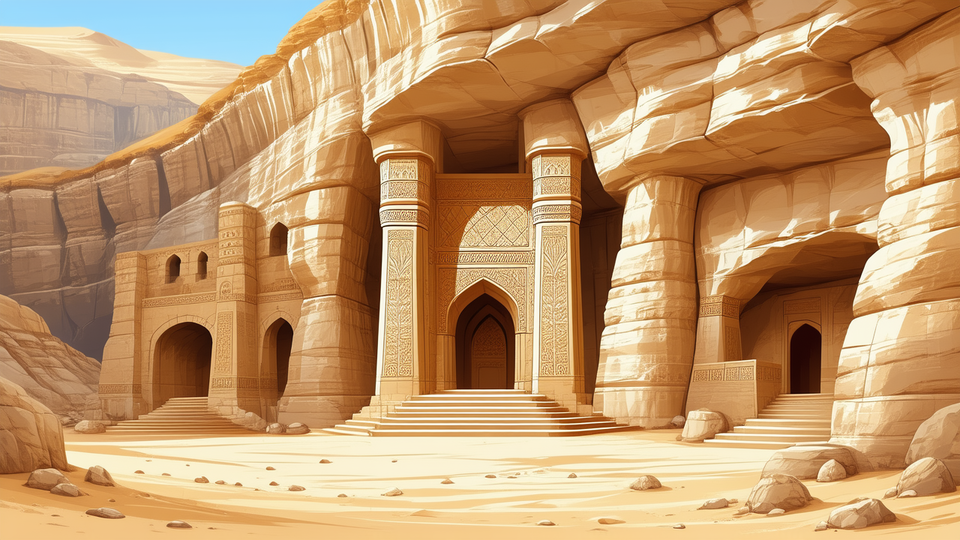
The underground sanctuaries were carved into limestone cliffs and caves, featuring prayer halls, mihrabs, meditation cells and courtyards that reflect centuries of adaptation to the region’s geology and nomadic heritage.
Pilgrims such as Dinara Farvazova from Bashkortostan travel yearly to read the Quran, pray and make wishes, while travelers like Kaahn Ozturk of Turkey seek answers to personal questions, and Italian visitor Davide Passanante finds calm in the remote sanctuaries away from summer crowds.
Kazakhstan’s five‑year development plan, slated to start in 2027, will build asphalt roads to the sites, restore structures, and erect new visitor centres at Shopan‑Ata, Beket‑Ata and Karaman‑Ata, complementing existing facilities at Sultan‑Epe and Shakpak‑Ata. “An asphalt road will be built to the site as part of the development plan. We also hope that internet connectivity issues will be resolved,” said Baltabai Balapan, director of the Mangystau State Historical and Cultural Reserve.
With the UNESCO listing and the upcoming infrastructure upgrades, the Mangystau rock‑hewn mosques are poised to welcome growing numbers of pilgrims and tourists while preserving a unique spiritual legacy for future generations.