UN maritime chief says 6,000 sailors trapped as 24 ships attacked in Strait of Hormuz
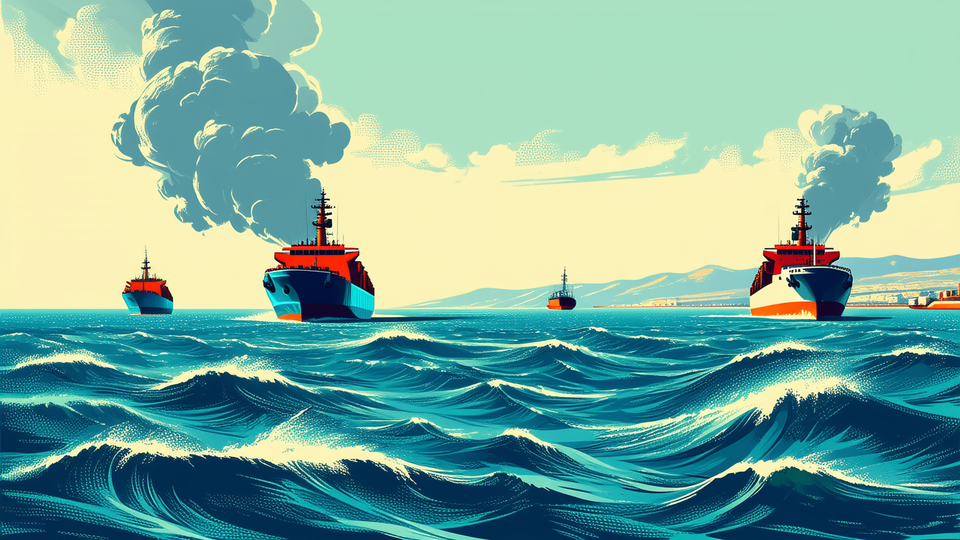
UN maritime chief Arsenio Domínguez told Fox News Digital on Sunday that about 6,000 seafarers are currently trapped near the Strait of Hormuz after 24 vessels were attacked in roughly two weeks.
The International Maritime Organization warned that the situation remains “severe and critical” for international shipping and advised vessels to stay out of the waterway until robust guarantees of safety are provided.
“There is a double blockade and too many vessels have been attacked, particularly in recent days,” Domínguez said.
Iran has lodged a complaint with the IMO, alleging that U.S. military forces have repeatedly occupied VHF Channel 16 – the internationally designated maritime distress and safety frequency – using threatening, abusive and provocative language toward Iranian crews.
“VHF Channel 16 has been repeatedly occupied for prolonged periods by the United States military forces operating in the Persian Gulf,” the Iranian letter stated.
U.S. Central Command responded that the naval blockade of Iranian ports has been in place for months, is professionally communicated to all international mariners, and that vessels refusing to comply receive multiple warnings.
“The U.S. naval blockade has been in place for months and is professionally communicated to all international mariners,” CENTCOM said.
The IMO has recorded 100 confirmed maritime incidents across the region as of Oct. 9, with 24 seafarers killed since the conflict began on Feb. 28. Domínguez warned that fraudulent ship registrations and false flags are contributing to the heightened danger, as some operators use sham registries to shuttle cargo through the contested strait.
While diplomatic channels with Iran remain open, Domínguez noted he has no direct contact with the Islamic Revolutionary Guard Corps, relying instead on communications through the IMO’s member states.
As the crisis deepens, shipping companies face pressure to reroute vessels around the Arabian Sea, potentially extending transit times and increasing costs for global trade.