U.S. Urges Allies to Warn Iran of Possible Israeli Assassination Plans
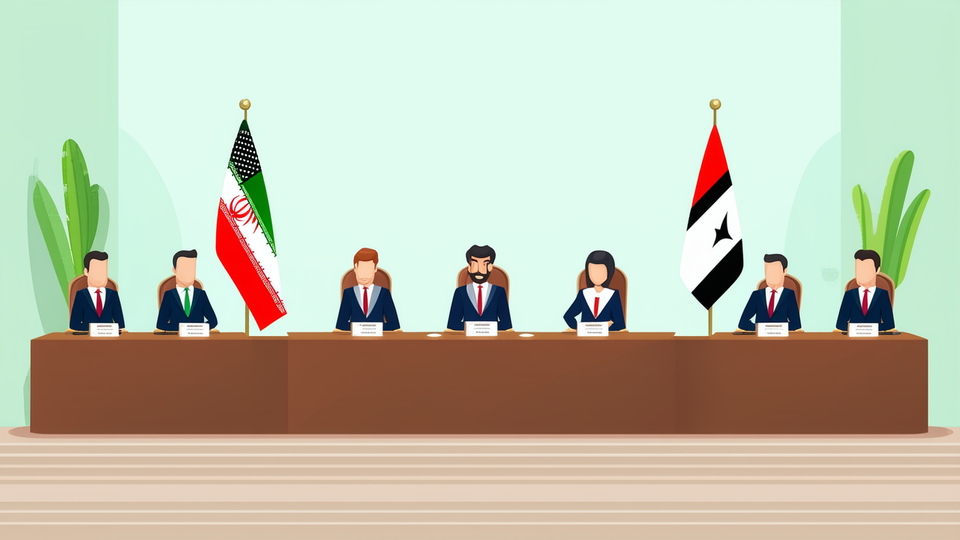
U.S. Diplomatic Warning to Iran
In the spring of 2026, as cease‑fire negotiations between the United States and Iran advanced, officials grew increasingly uneasy about a potential Israeli operation targeting Iranian mediators. Sensitive intelligence indicated that Israel had placed both Foreign Minister Abbas Araghchi and Parliament Speaker Mohammad Bagher Ghalibaf on a targeting list, prompting the Trump administration to act preemptively.
According to multiple sources, Washington chose to channel its concerns through regional intermediaries, including Pakistan and Qatar. These allies were asked to deliver a clear message to Tehran: any attempt by Israel to assassinate the senior negotiators could jeopardize the fragile diplomatic progress and reignite hostilities across the Middle East.
U.S. officials stressed that the two Iranian leaders, while previously considered legitimate military targets during the height of the conflict, should now be protected as essential participants in the peace talks. The Washington leadership feared that a strike would not only collapse the ongoing negotiations but also risk a broader resurgence of violence, undoing months of diplomatic effort.
Iranian officials, aware of the heightened risk, sought assurances through Qatari and Pakistani channels that Israel would refrain from targeting its delegation. One incident highlighted these concerns when Ghalibaf’s aircraft, returning from Islamabad, made an emergency landing after Iranian intelligence warned of a possible Israeli threat to the plane.
Despite these warnings, both Araghchi and Ghalibaf continued to engage in talks, traveling to Qatar and later to Switzerland alongside the U.S. delegation led by Vice President JD Vance. When questioned, a U.S. spokesperson reiterated that negotiations remain active and that President Donald Trump wants the peace process “to play out.” The Israeli Embassy in Washington declined to comment on the matter.
The episode illustrates how diplomatic channels and quiet warnings can serve as vital tools to prevent escalation. By leveraging allied intermediaries, the United States aimed to safeguard the negotiation process, emphasizing the importance of dialogue over force. This approach reflects a broader commitment to conflict resolution, prioritizing stability and the pursuit of lasting peace in a region long marked by tension.
Ultimately, the U.S. warning underscores the delicate balance of power in the Middle East, where the actions of one nation can have ripple effects on broader diplomatic efforts. Maintaining open lines of communication and preventing violent shortcuts remain essential to achieving a sustainable cease‑fire and advancing long‑term regional security.