U.S. Revokes Iran Oil Waiver After Strait of Hormuz Tanker Attacks
Introduction
The United States announced on July 7 that it was revoking a temporary sanctions waiver granted to Iran in June. That waiver had permitted Iran to produce, sell, and deliver crude oil and related products through August 21 as part of a 14‑point memorandum aimed at ending hostilities in the Middle East.
Trigger for Revocation
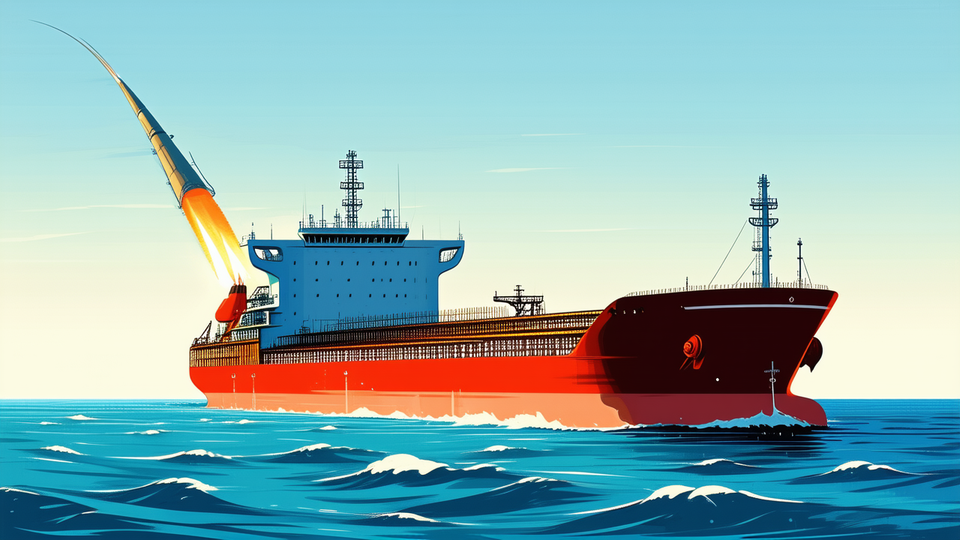
Just days after the waiver took effect, three tankers navigating the Strait of Hormuz were struck by unknown projectiles, including at least one drone‑initiated fire, according to the UK Maritime Trade Operations agency. One of the vessels was identified as Qatar’s LNG tanker Al‑Rekayyat. The attacks prompted Qatar to demand an immediate cease to Iran’s maritime aggression.
U.S. Response and Rationale
A senior U.S. official, speaking on condition of anonymity, described the memorandum as entirely performance‑based, stressing that Iran would receive benefits only if it demonstrated “good behavior.” The official labeled Iran’s actions as “wholly unacceptable” and warned of “consequences.” Consequently, the Treasury Department’s Office of Foreign Assets Control issued a notice cancelling the licence that had temporarily lifted the oil sanctions.
The revocation allows existing, previously authorised transactions to be completed until July 17, after which any new loading of Iranian oil onto ships will be prohibited. This effectively restores the original sanctions regime that had been in place before the interim agreement.
Implications for Markets and Diplomacy
Oil markets reacted swiftly, with prices climbing more than two percent as concerns over global supply resurfaced. Analysts noted that the United States is risking the durability of the ceasefire while also sending a clear signal that any alternative to Iran’s toll system will be explored. Despite the setback, U.S. negotiators affirmed that they remain in “good faith” to reach a final deal that addresses Iran’s nuclear program and regional security.
The incident also reignited debate over the proposed Omani maritime corridor, which offers a safer route for commercial traffic hugging Oman’s coastline. Iran has opposed the corridor, insisting on fees for ships transiting the narrow waterway.
Conclusion
By rescinding the oil waiver, the United States reasserted that compliance with the memorandum is non‑negotiable. The move underscores the fragility of the peace process, the strategic importance of the Strait of Hormuz, and the broader impact of sanctions on global energy stability. While negotiations continue, the revocation highlights the delicate balance between diplomatic outreach and decisive enforcement of international norms.