U.S. Resumes Strikes on Iran, Targeting Threats to Strait of Hormuz
U.S. Military Action in Iran
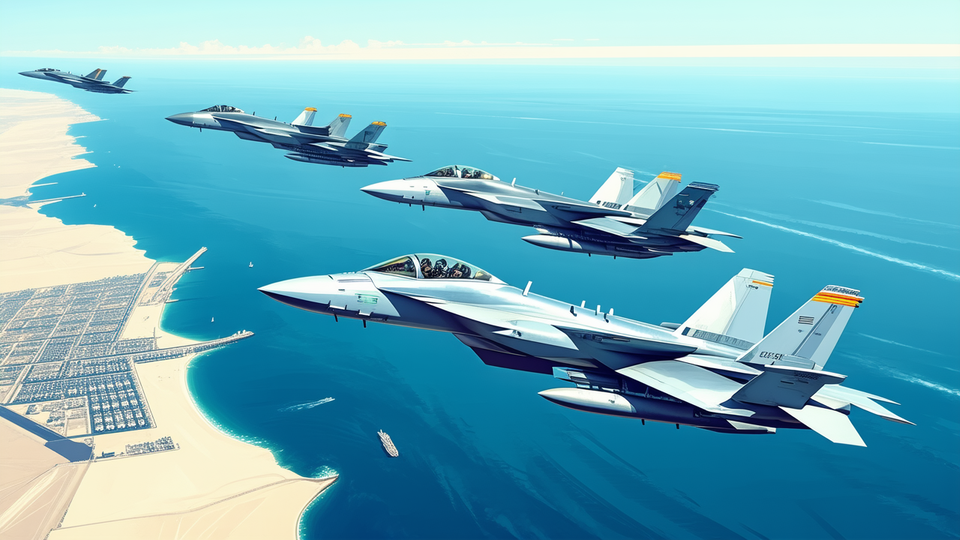
The United States began a new wave of air strikes against Iran on the evening of July 8, 2026, marking the second night of coordinated attacks. According to U.S. Central Command, the operations targeted approximately ninety Iranian military sites, including air defence systems, coastal surveillance assets, missile and drone storage locations, naval capabilities, and logistics infrastructure along Iran’s coastline. The stated purpose was to further degrade Iran’s capacity to threaten freedom of navigation in the strategically vital Strait of Hormuz.
President Donald Trump announced the strikes as “retribution” for recent Iranian aggression against commercial shipping. He emphasized that the United States would respond more forcefully if Iran continued to attack vessels, warning that any further incidents would “get much worse.” Trump also indicated a willingness to resume a naval blockade of Iranian ports, describing the blockade as a necessary step to protect international trade.
Iran’s Islamic Revolutionary Guard Corps (IRGC) responded with a stark warning, stating that any repeat of U.S. aggression would be met with “devastating responses” against American bases throughout the Gulf region. The IRGC claimed to have struck U.S. bases in Kuwait and Bahrain, and warned of expanded attacks on additional Gulf state facilities. Iranian officials also framed the strikes as a violation of a recently negotiated cease‑fire agreement, asserting that the United States had failed to honor its commitments.
The renewed hostilities have immediate implications for global energy markets. Shipping through the Strait of Hormuz—a conduit for more than one‑fifth of the world’s oil and gas—has already been disrupted, with traffic sharply reduced after earlier attacks on three tankers. Experts note that any prolonged closure of the waterway could exacerbate price volatility and threaten supply chains worldwide.
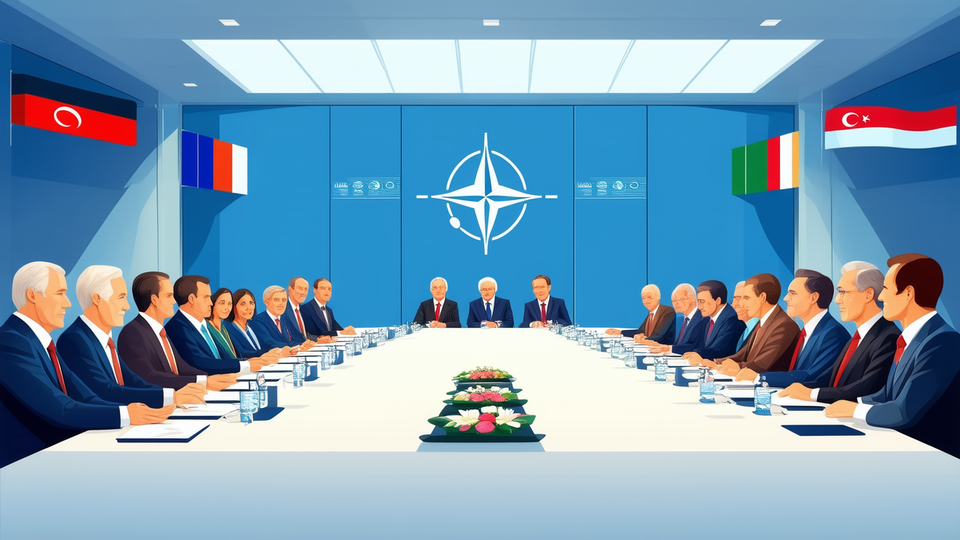
International reactions have been mixed. United Nations officials called for restraint, warning of “catastrophic consequences” if the conflict escalates further. NATO leaders, meeting in Ankara, expressed support for the United States while urging a return to diplomatic negotiations. Meanwhile, regional allies such as Saudi Arabia and the United Arab Emirates have reiterated their commitment to securing maritime routes and defending against Iranian provocations.
In addition to the direct military strikes, the United States announced plans to re‑impose the naval blockade and reinforce sanctions against Iran. The combined pressure aims to push Tehran back to the negotiating table while deterring future attacks on commercial vessels. The evolving situation underscores the delicate balance between military response and diplomatic resolution in a region already fraught with tension.
As the conflict unfolds, the United States maintains that continued strikes are essential to protect international navigation and uphold regional stability. The next steps will likely hinge on Iran’s willingness to de‑escalate and on diplomatic efforts by the United Nations and allied nations to restore a lasting cease‑fire.