U.S. Prescription Drug Prices Collide with Indian $25 Alternative
Introduction
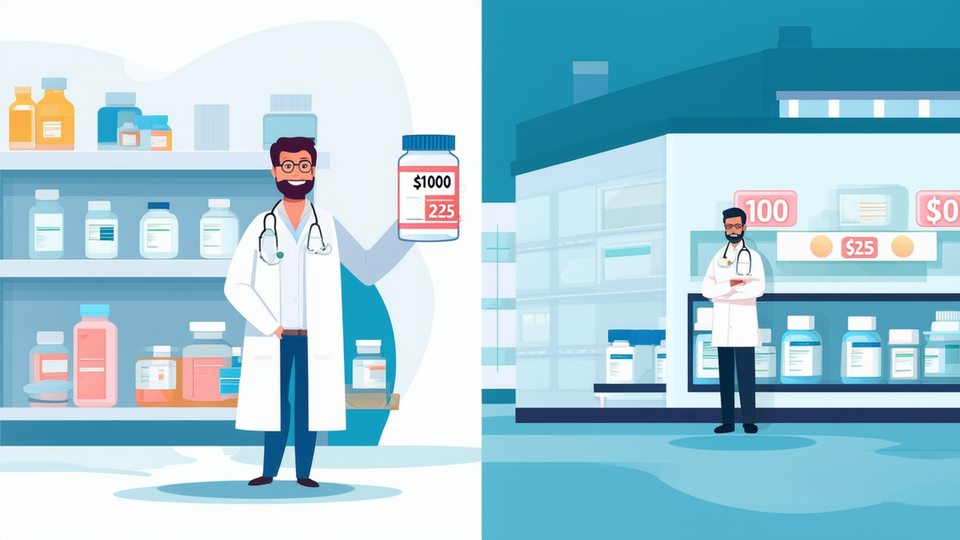
A recent social media post has drawn nationwide attention to the dramatic disparity in prescription drug pricing. In the video, a patient named Victoria explains that a six‑pill prescription estimated at $1,000 in the United States was secured for just $25 by ordering from an Indian manufacturer through an international pharmacy route. This personal account underscores a broader conversation about the affordability of essential medicines in America.
Rising Prescription Costs in America
Victoria’s experience reflects a pattern reported across the country: patients facing exorbitant out‑of‑pocket costs for standard treatments. According to a 2024 RAND study, U.S. gross prescription drug prices average 278 % of prices in a group of 33 comparison nations, and for brand‑name originator drugs the gap widens to 422 %. Public sentiment mirrors these figures; a KFF poll found that 82 % of U.S. adults consider prescription drug costs unreasonable, and 59 % worry about affording their medicines.
International Sourcing as a Response
In Victoria’s case, her doctor originally suggested sending the prescription to a Canadian pharmacy, anticipating a cost of $100 to $200. Instead, the medication was sourced from an Indian manufacturer at a wholesale price of $10, with $15 added for international shipping, totaling $25. This “medical tourism” approach demonstrates how patients can dramatically reduce expenses by turning to global supply chains, especially when domestic insurance coverage is limited or denied.
Considerations and Risks
While the financial benefits are clear, purchasing medication from overseas carries legal and safety concerns. The FDA advises consumers to verify that online pharmacies require a valid prescription, are properly licensed, and adhere to safety standards. The agency’s BeSafeRx program helps identify reputable providers, and importation policies permit personal use under strict conditions. Ignoring these safeguards can expose patients to counterfeit products, unregulated ingredients, and potential health hazards.
Conclusion
Victoria’s $25 purchase spotlights the urgent need for systemic reform in U.S. drug pricing. The contrast between domestic costs and affordable international alternatives emphasizes both the financial strain on patients and the importance of ensuring safe, regulated access to medicines. As policymakers, healthcare providers, and consumers navigate this complex landscape, balancing cost savings with rigorous safety standards remains essential.