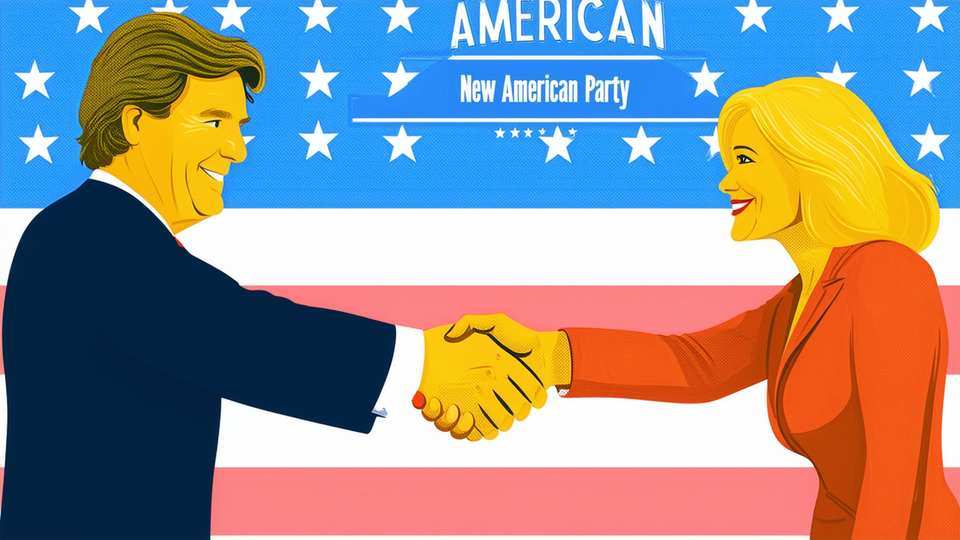
Tucker Carlson Calls for a New Third Party to Challenge the Two‑Party System
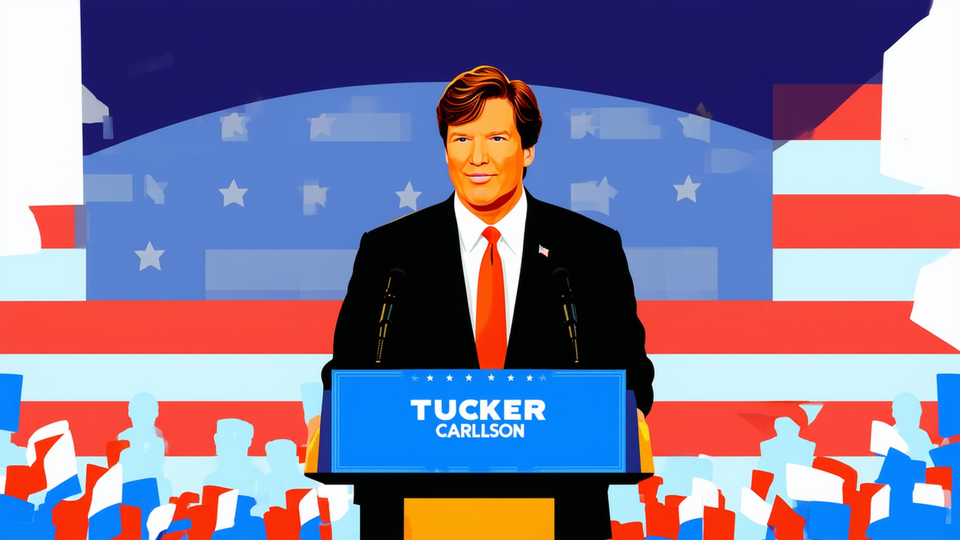
New Political Party Movement Gains Momentum
Tucker Carlson, once a leading voice on Fox News and a longtime supporter of former President Donald Trump, publicly announced on July 3, 2026 that he will work to create a new political party. In an interview with the Columbia Journalism Review, Carlson described the United States as having become a “one‑party state posing as a democracy,” arguing that both major parties have grown indistinguishable on key issues.
He emphasized that his goal is not to become a candidate himself. Carlson stated, “I don’t want to be a candidate,” and reiterated his belief that the current Republican and Democratic parties no longer represent the interests of ordinary Americans earning around sixty‑four thousand dollars a year. He argued that the political system has neglected the middle class, leading to degraded quality of life and reduced life expectancy for many families.
Carlson’s split with Trump has been public for months. He criticized Trump’s handling of the war in Iran and accused him of failing to uphold the original “America first” agenda. After admitting to having “misled” his audience during the Trump era, Carlson apologized to his podcast listeners, acknowledging the mistake was unintentional. This admission underscores a broader disillusionment among former MAGA figures.
Other prominent former allies are also exploring a third‑party option. Elon Musk, the Tesla CEO who once funded Trump’s campaign, announced the formation of an “America Party.” Additionally, former Congresswoman Marjorie Taylor Greene, who publicly broke with Trump in 2025, told Piers Morgan that she is in talks with “people” to launch a true “America‑focused” party that would transcend traditional partisan divisions.
These developments suggest a growing fracture within the conservative movement. Carlson, Greene, and Musk each point to the desire for a platform that can address economic concerns, immigration, and foreign policy without the constraints of the established parties. While launching a viable third party faces significant practical hurdles, the conversation reflects increasing voter fatigue with partisan gridlock.
The impact of this movement remains uncertain. Both Democrats and Republicans are seeking ways to reconnect with voters, and the emergence of a new party could force a reevaluation of policy priorities. Observers note that the success of any third‑party effort will depend on its ability to unite diverse conservative voices while presenting concrete solutions to the public’s everyday challenges.
For now, Carlson’s pledge to “help build a third party” adds a notable voice to the ongoing dialogue about political realignment in the United States. Whether this initiative will gain enough momentum to reshape the electoral landscape is a question that will unfold over the coming months.