Trump’s tariffs and terrorist list boost Flavio Bolsonaro in Brazil’s tight first‑round vote
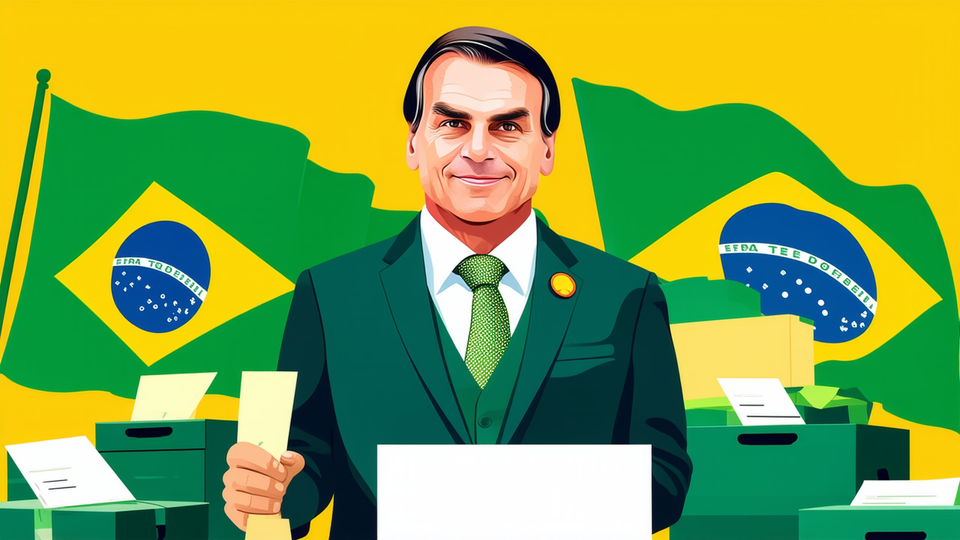
On October 6, 2026 the Brazilian electorate gave Senator Flavio Bolsonaro a narrow first‑round victory, posting 47 percent of the vote against President Luiz Inácio Lula da Silva’s 45 percent, according to the Superior Electoral Court.
The result follows a series of actions by the United States under President Donald Trump that analysts say were designed to tip the balance toward the Bolsonaro family. In July 2025 the White House announced an additional 40 percent tariff on Brazilian goods, raising the total duty on affected products to 50 percent. The administration framed the measure as a response to what it called Brazil’s “insidious attacks on free elections and the fundamental free‑speech rights of Americans.”
Simultaneously, the Trump administration urged the State Department to classify two major Brazilian criminal organizations as terrorist groups. The designation, announced in early 2026, was portrayed as a step against drug trafficking but also undercut Lula’s security platform, which opposed the move.
U.S. officials also applied diplomatic pressure in the weeks leading up to the vote. Two days before the election, the U.S. consulate in São Paulo suspended services, citing security concerns, a move Lula described as intended to create an “unstable” electoral environment. Furthermore, Trump‑aligned officials funded right‑wing civil‑society groups in Brazil, providing additional campaign resources for Bolsonaro allies.
Experts note that the tariff and terrorist‑list actions were part of a broader strategy to support right‑leaning candidates throughout Latin America. Manhattan Institute fellow Daniel Di Martino said Trump’s “bridge‑building and diplomatic support, sanctions against communists and terrorists, and financial calm for allies like Milei and Bukele” were decisive factors in the regional shift.
Brazil’s political landscape also reflects a deepening Bolsonaro dynasty. In the same election, Flavio’s sister‑in‑law Michelle Bolsonaro won a Senate seat, while Jair Bolsonaro’s sons Carlos and Jair Renan secured Senate and Chamber seats, giving the family four new members of Congress.
The outcome has sparked debate about the extent of U.S. influence. Former State Department official Carrie Filipetti warned that swings between left‑ and right‑wing governments are a long‑standing pendulum in the region, suggesting that external pressure is only one component of a larger trend.
The first round did not produce a majority, so a runoff between Flavio Bolsonaro and Lula is set for October 25. Both campaigns are now focusing on voter mobilization amid heightened international attention, and the Trump administration has signaled it will continue to monitor the election closely.