Trump’s Sleep Problem Flagged as a Grave National Security Threat
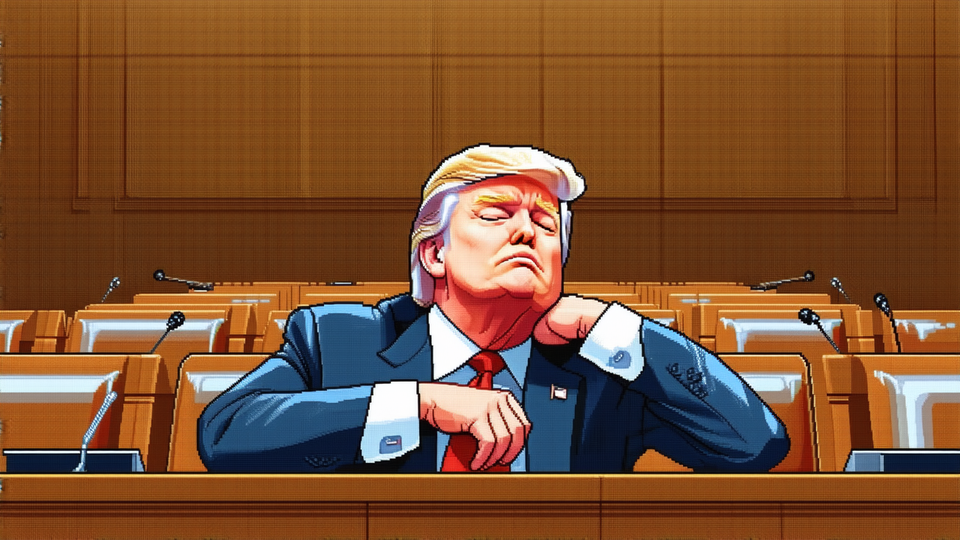
In a rare and pointed address to the House Foreign Affairs Committee, Rep. Sydney Kamlager‑Dove (D‑CA) framed President Donald Trump’s alleged sleeping problems as a direct threat to U.S. national security. The congresswoman presented a video clip showing the president with his eyes closed during a meeting, a scene that quickly went viral on social media. She warned that a leader who is "literally asleep at the wheel" cannot adequately protect the nation’s interests.
Kamlager‑Dove’s remarks arrived amid a series of documented incidents in which the president appeared fatigued or disengaged. Earlier in June, a Senate hearing featured Secretary of State Marco Rubio alleging that he never witnessed Trump sleeping on duty, only to be confronted with footage suggesting otherwise. The same week, footage from a religious liberty panel in the Oval Office showed Trump briefly closing his eyes while Lieutenant Governor Dan Patrick spoke. These moments have ignited a broader conversation about presidential health and transparency.
The congresswoman emphasized that the issue extends beyond personal habits. "We cannot trust the White House on matters concerning the president’s health because they are denying what Americans are seeing with our own two eyes," she said, underscoring a perceived lack of transparency from the administration. Kamlager‑Dove also highlighted an April YouGov poll indicating that 48% of respondents believe Trump suffers from “modest to significant cognitive decline.”
Critics of the president argue that erratic decisions—such as the handling of the war in Iran and the administration’s spending priorities—may be influenced by fatigue. "Is he sleeping in classified briefings, on calls with foreign leaders? How can we trust a president who is literally asleep on the job?" Kamlager‑Dove asked during her remarks.
The White House has consistently refuted claims of any sleep disorder. Spokesperson Davis Ingle defended the president, stating, "President Trump is the sharpest and most accessible President in American history who is working nonstop to solve problems and deliver on his promises." This defense mirrors earlier assertions that Trump’s health is robust despite public scrutiny.
Public opinion appears to be shifting. A recent YouGov poll showed nearly half of Americans suspect cognitive issues, and social media platforms are rife with memes and commentary labeling the president’s occasional "nodding off" as a symptom of a larger problem. The debate over presidential fitness is not new, but the visual evidence presented this week has intensified the dialogue.
Legal scholars note that the Constitution provides limited mechanisms for addressing a president’s incapacity, typically relying on the 25th Amendment. However, invoking the amendment requires a formal declaration by the vice president and a majority of cabinet members—a political hurdle that has yet to be overcome. Until then, congressional oversight remains the primary avenue for scrutiny.
As the 2026 midterm elections loom, the issue of presidential health may become a pivotal campaign topic. Candidates on both sides are likely to reference Kamlager‑Dove’s warning, framing it as evidence of the need for stronger checks on executive power. Whether the concerns translate into legislative action or remain a partisan talking point remains to be seen.
Regardless of the political fallout, the episode underscores a growing public demand for greater transparency regarding the health of the nation’s chief executive—an expectation that may reshape future standards for presidential disclosure.