Trump waives Russian diesel embargo, claims Zelensky opposes ending war
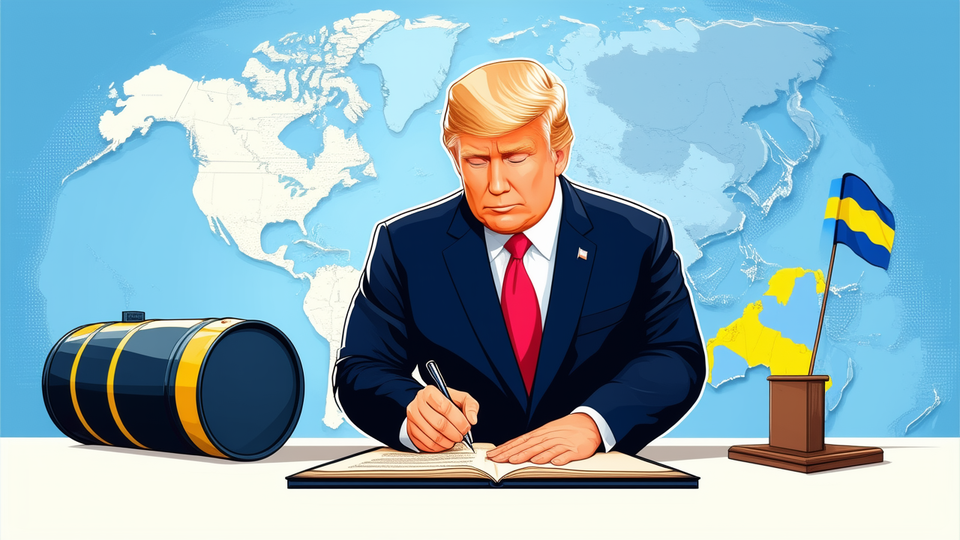
President Donald Trump signed an executive order on Friday that temporarily lifted the United States’ diesel embargo on Russia and eased a range of other sanctions, while asserting that Ukrainian President Volodymyr Zelensky does not want to end the Russia‑Ukraine war.
The action is intended to keep Russian diesel flowing into the U.S. market and to avoid derailing what Trump describes as promising peace negotiations with Moscow, a priority he linked to lowering domestic energy prices before the November midterm elections.
“My decision on Russia is a simple one,” Trump said after signing the order, adding that Zelensky “could have made a better deal two years ago than he can now” and that “I WANT THIS WAR END!”
Energy Secretary Chris Wright defended the waiver, saying the move is meant to encourage Moscow to scale back its war effort rather than provide unconditional economic aid. Wright stressed that the temporary suspension of the diesel embargo is a strategic lever designed to bring Russia back to the bargaining table.
Treasury Secretary Scott Bessent framed the measure as a 60‑day review period, noting that “the only thing that has been lifted is the diesel embargo.” He indicated the administration will monitor market impacts and diplomatic developments before deciding on any further actions.
Trump’s criticism of Zelensky centers on the Ukrainian leader’s recent strikes on Russian oil facilities, which the president argues are inflating global fuel prices. He claimed American businesses are “suffering greatly” and that Zelensky’s tactics “seriously hurt world markets.”
The waiver arrives amid heightened military activity, including a Ukrainian drone attack on a major oil terminal and data center in St. Petersburg that Russian state media described as one of the year’s largest. The incident underscores the volatility of the conflict even as diplomatic overtures intensify.
Analysts note that the temporary easing of sanctions could lower diesel costs for U.S. consumers in the short term, but they also warn that the policy may send mixed signals to allies and to Russia about the United States’ stance on the war. The move is poised to become a focal point in the upcoming midterm campaign, with both parties likely to scrutinize its economic and geopolitical ramifications.
The administration said it will reassess the diesel waiver after the 60‑day period, while continuing to pursue “peace in the war between Russia and Ukraine.” Future steps will depend on the progress of host‑age negotiations and any shifts in Moscow’s military or diplomatic posture.