Trump Switches to Old Air Force One on July 9, 2026 Amid Iran Tensions
Introduction
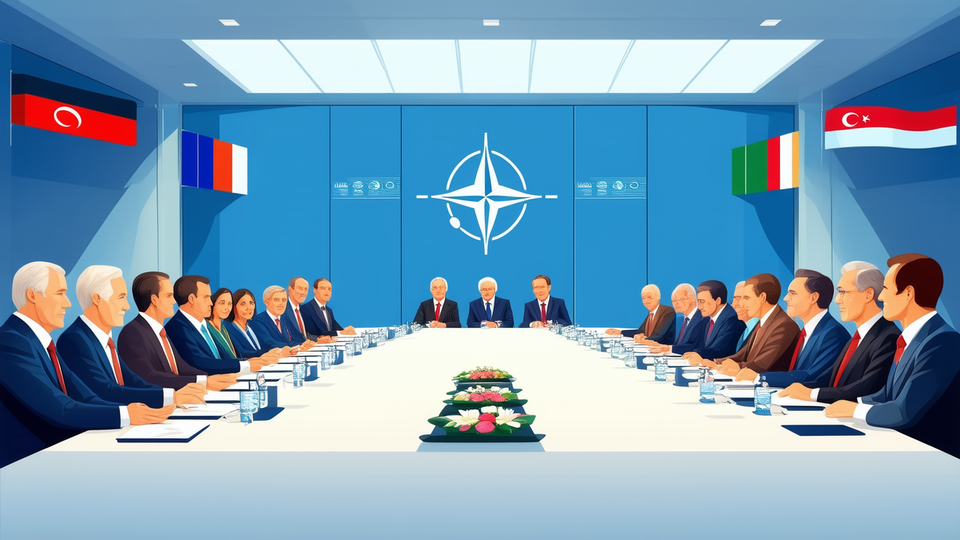
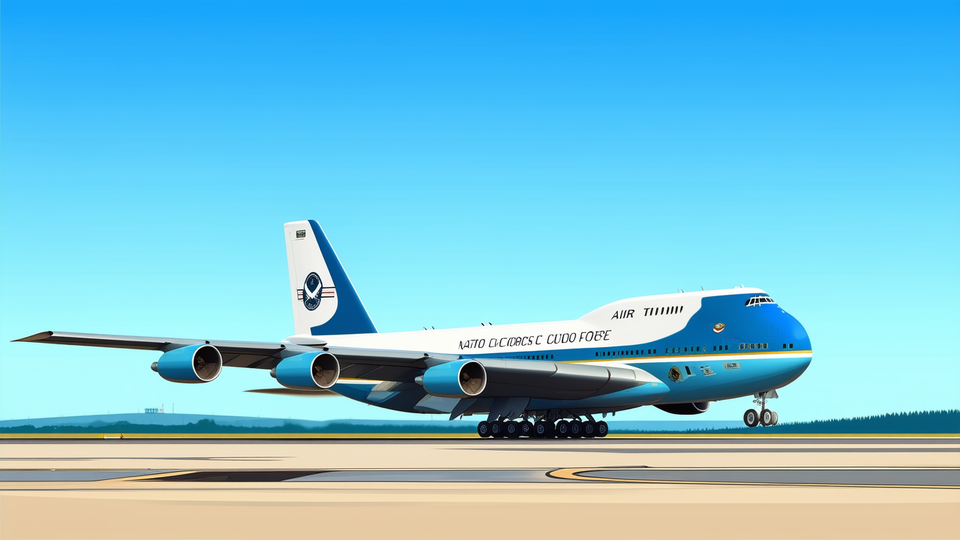
On July 9, 2026, President Donald Trump concluded his two‑day NATO summit in Ankara, Turkey, by boarding the legacy Air Force One aircraft rather than the newly retrofitted Boeing 747‑8 that had been donated by Qatar. The decision was framed publicly as a chance to let service members tour the new jet, but behind the scenes Secret Service leaders had urged the president to use the older, fully equipped plane for safety reasons.
Security Rationale
Officials familiar with the travel plan explained that the older Air Force One maintains a complete suite of missile‑deflection and communication countermeasures, including laser systems and chaff dispensers that have been proven in previous presidential missions. By contrast, the Qatar‑gifted aircraft, still undergoing accelerated modifications, was reported to be missing several of those protective suites. In the weeks leading up to the summit, the United States and Iran exchanged artillery and drone attacks, raising the risk that a high‑profile flight could become a target. The Secret Service’s recommendation reflected an abundance of caution in light of those heightened threats.
Presidential Statements and Public Reaction
President Trump publicly downplayed security concerns, telling reporters the change was “for old time’s sake” and emphasizing the opportunity for U.S. service members stationed in the United Kingdom to see the new aircraft at RAF Mildenhall. He reiterated that he is “number one on their list” for assassination attempts but suggested the blind‑folded windows and window shade instructions were merely routine precautions. Critics, including journalists from the New York Times and CNN, questioned the consistency of these statements, noting that the timing of the switch coincided with a surge in U.S. strikes against Iranian targets and a renewed threat environment. Some observers described the explanation as “a little hard to believe,” pointing to the secretive nature of the security assessment.
Broader Context
The incident occurred amid a broader pattern of heightened U.S.–Iran tensions throughout 2026. Both nations had engaged in a series of retaliatory strikes, and Iran’s short‑range missiles and Shahed drones were within striking distance of Turkey, a NATO ally. The decision to use the older Air Force One underscored the importance placed on preserving the president’s safety when traveling through regions where hostile actors possess capable missile technologies. It also highlighted the challenges of rapidly retrofitting a foreign‑donated aircraft to meet the stringent security standards required for presidential transport.
Conclusion
President Trump’s use of the legacy Air Force One on July 9, 2026, reflected a pragmatic response to an evolving security landscape marked by renewed U.S.–Iran hostilities. While the public narrative emphasized tradition and morale‑boosting for troops, internal assessments prioritized proven defensive capabilities. The episode illustrates how geopolitical volatility can directly shape the logistics of executive travel, reinforcing the critical role of security expertise in presidential decision‑making.