Trump says Midnight Hammer strikes hit Iranian drug factories and nuclear sites
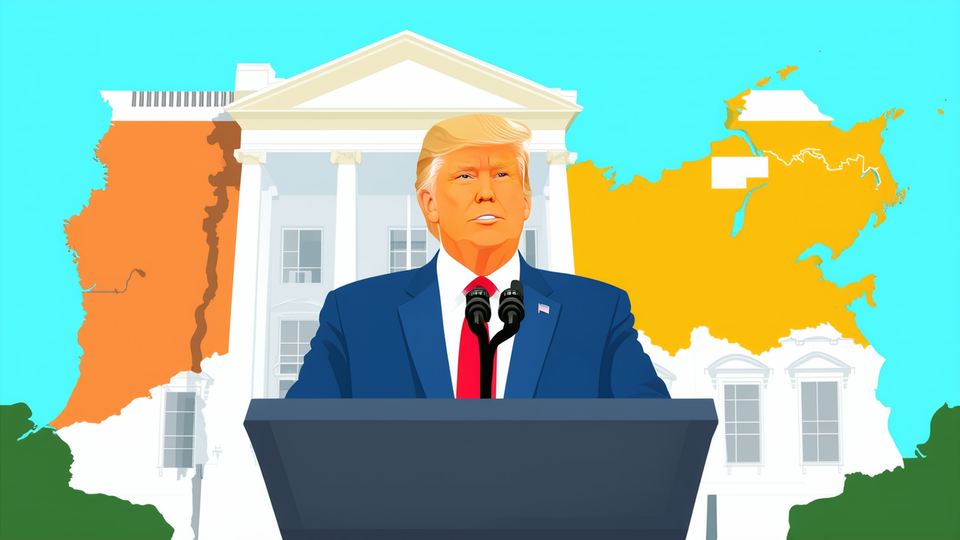
President Donald Trump announced at a campaign rally in Durant, Oklahoma on Oct. 2, 2026 that Operation Midnight Hammer airstrikes hit three Iranian nuclear facilities and also targeted drug‑production operations at those sites.
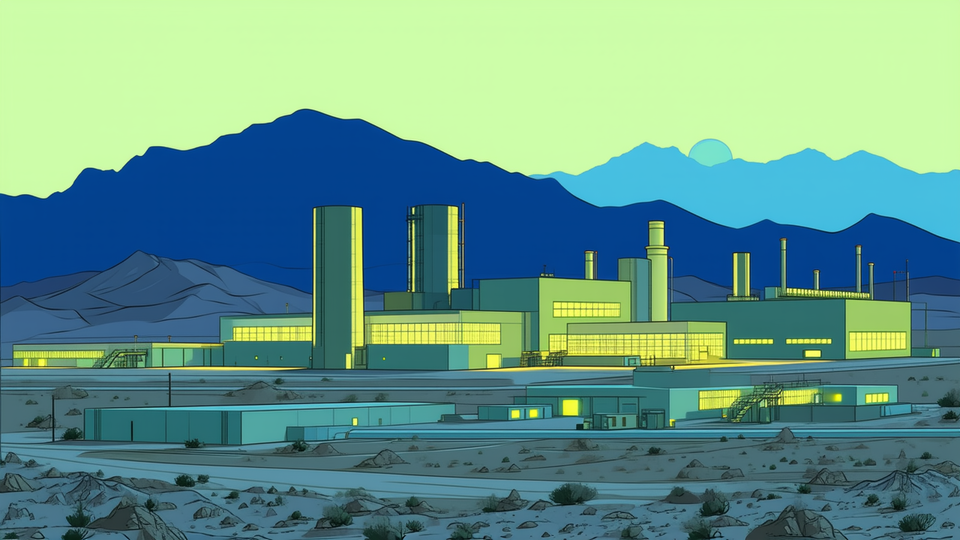
The president described the mission as involving B‑2 Spirit stealth bombers and submarine‑launched Tomahawk missiles that arrived over Iran at about 1 a.m., after a 37‑hour refueling effort, in “no moon” conditions. He said the strikes hit Fordow, Natanz and Isfahan, describing the targets as "drug factories slash nuclear facilities" that were "hit so hard".
Department of War Secretary Pete Hegseth called the operation an "incredible and overwhelming success," noting that the order from the commander in chief was clear and powerful. Central Command and the Pentagon added that U.S. and partner forces also struck Islamic Revolutionary Guard Corps command‑and‑control sites, air defenses, missile and drone launch locations, and airfields in the opening wave.
Trump’s remarks marked the first public claim that the Iranian sites were involved in drug production alongside nuclear enrichment, a detail not previously highlighted in official briefings. He emphasized the precision of the bombing, saying the bombs “went right down the chutes” into the granite‑mountain facilities.
The Midnight Hammer operation preceded the launch of Operation Epic Fury on Feb. 28, 2026, a coordinated U.S.–Israeli campaign aimed at further limiting Iran’s nuclear capabilities. The Pentagon indicated that the overall effort contributed to a cease‑fire agreement reached on Apr. 7, 2026.
While the White House did not provide additional comment for this report, the administration’s messaging positions the strikes as a decisive step in curbing both Iran’s nuclear ambitions and its alleged illicit drug activities.