

Trump pivots U.S. focus to China, pushing NATO to the sidelines
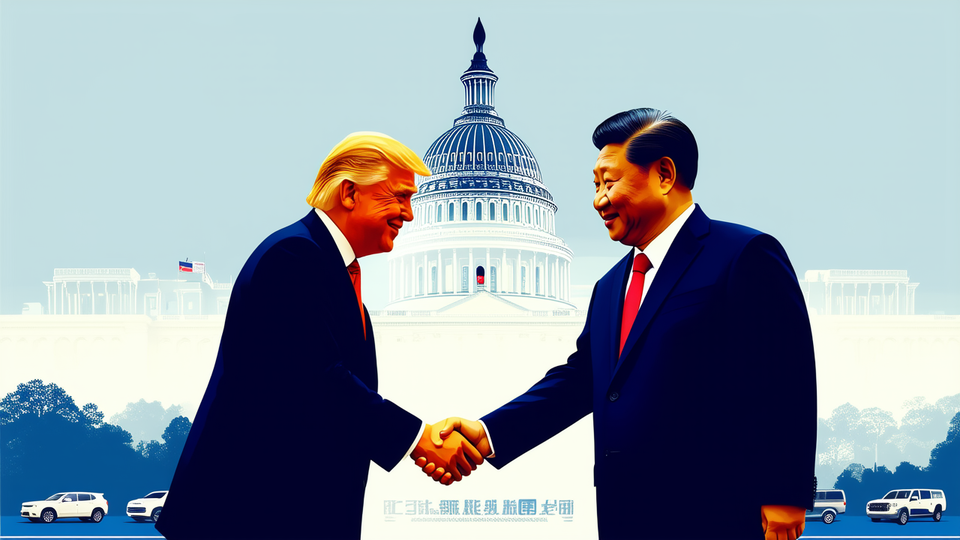
President Donald Trump announced on September 16, 2026 that the United States is turning its diplomatic emphasis toward China, a move that pushes NATO and European allies further to the margins of American foreign policy.
The change follows Trump’s public comments that the United States could allow Chinese automobile manufacturers to operate on U.S. soil provided they employ American workers, a stance he presented during a Fox News interview and which contrasts with his earlier rhetoric that painted Chinese market entry as a threat.
Trump’s pivot is also reflected in the scheduling of a state visit by Chinese President Xi Jinping for September 24, 2026, where a delegation of Chinese CEOs, including carmakers, is expected to meet U.S. officials in Washington, D.C. Observers note that the meeting underscores a willingness to negotiate economic terms with Beijing while strategic competition intensifies.
Analysts say the U.S.-China strategic rivalry now defines American foreign policy, eclipsing the traditional role of the transatlantic alliance. The emphasis on technology, energy, and AI competition with China has led to a perception that NATO has become a “side quest" in Washington’s priority list.
European partners have voiced concern that the shift diminishes their security influence and could reshape collective defense commitments. Officials in Brussels warned that sidelining NATO may weaken deterrence against broader threats.
The evolving stance sets the stage for the upcoming September 24 talks, where the United States is likely to seek concessions from China on market access and employment while maintaining a hard‑line posture on technology and security issues.