Trump Grants Ukraine License to Produce Patriot Missiles – What It Means for Kyiv’s Defense
Introduction
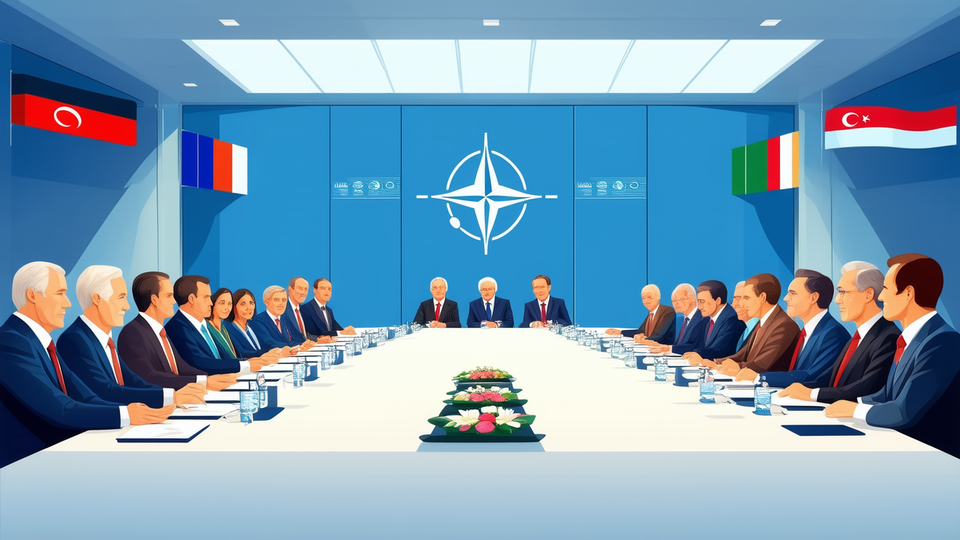
During the NATO summit in Turkey, President Donald Trump told Ukrainian President Volodymyr Zelensky that the United States would grant Kyiv a license to build Patriot missile interceptors. The surprise announcement aimed to address Ukraine’s acute shortage of Patriot systems, which have been crucial for intercepting Russian ballistic missiles.
Body
The promise of a production license was delivered in vague terms. Trump admitted he had not yet spoken to the companies that manufacture the Patriot system, such as Lockheed Martin and Raytheon. This acknowledgment underscores the early stage of the agreement and the many steps that remain before missiles can be assembled in Ukraine.
Zelensky welcomed the news, noting that domestic production would eventually allow Ukraine to supply its own forces and possibly its allies. However, analysts stress that the licensing decision does not instantly solve the immediate shortage. Recent attacks have shown that without a sufficient number of interceptors, even the most advanced Patriot systems cannot protect all targets, and Ukrainian air defenses have struggled to stop Russian ballistic missiles.
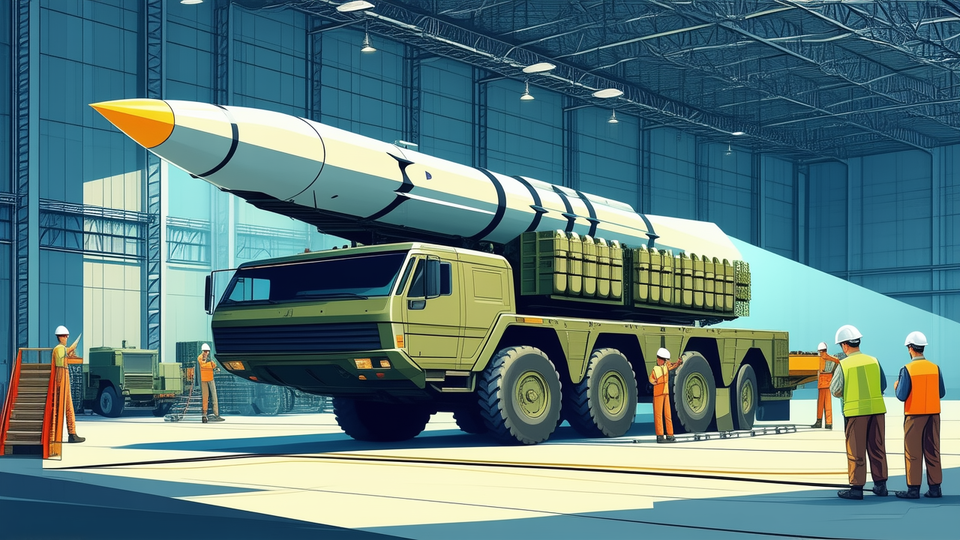
Technical challenges are significant. The primary interceptor, the PAC‑3 MSE, requires a long lead time—up to 24 months for the missile itself and 30 months for the solid‑rocket motor. Production of essential components such as seekers and rocket motors is limited to a few specialized facilities worldwide. Even if Ukraine obtains the legal right to produce interceptors, securing a stable supply chain for these parts could take years.
Furthermore, establishing manufacturing facilities capable of meeting the stringent security and quality standards of the Patriot program is a major undertaking. Existing Ukrainian defense factories would need to be hardened, possibly underground, to avoid being targeted. Skilled personnel, advanced testing equipment, and rigorous certification processes are also required, adding further delays.
Despite these hurdles, the licensing decision may have strategic benefits beyond immediate missile deliveries. It signals strong U.S. political support and could encourage European partners to share technology, parts, or funding to accelerate Ukraine’s self‑reliance. In the long term, a domestic Ukrainian Patriot production line could enhance regional security and reduce dependence on external supplies.
Conclusion
President Trump’s license to produce Patriot interceptors marks a notable shift in U.S. assistance to Ukraine, offering hope for a more sustainable defense capability. Yet, realistic timelines suggest that operational interceptors will not appear in the near term. The success of this initiative will depend on overcoming complex industrial bottlenecks, securing component supplies, and building secure manufacturing infrastructure. Until those obstacles are cleared, Ukraine must continue to rely on existing Patriot stocks and allied support to defend its skies.