Trump Gaza Peace Plan Stumbles Without Real Demilitarization Controls
The Trump administration unveiled a multi‑phase peace roadmap that ties any Israeli pull‑back from Gaza to a verified demilitarization of Hamas. In theory, the plan offers a pathway to reduce civilian casualties and restore a semblance of normalcy. In practice, however, the roadmap leaves critical enforcement gaps that could render the agreement ineffective.
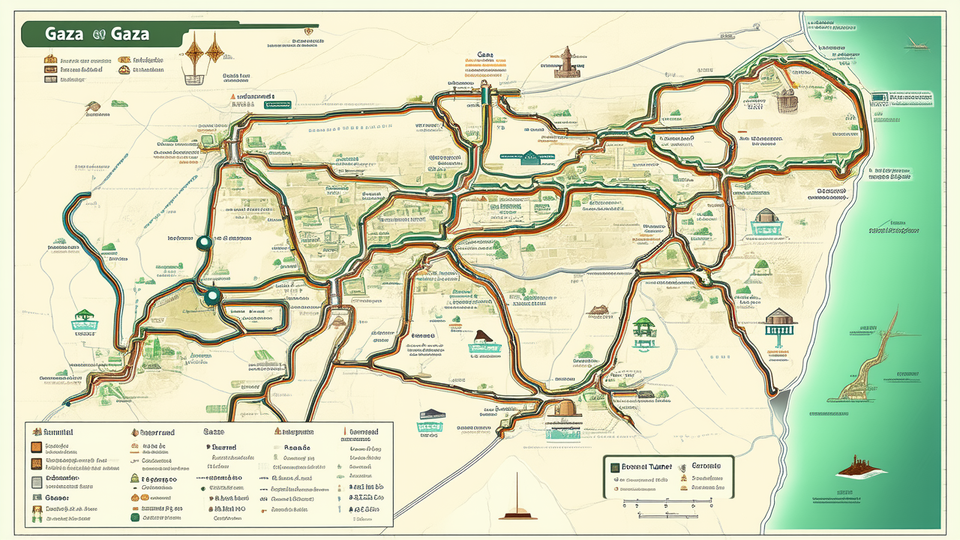
Hamas has transformed Gaza into a dense subterranean fortress, with hundreds of kilometers of tunnels linking storage sites, weapon caches, and escape routes. Even during cease‑fires, Israeli forces continue to discover new shafts, some stretching seven kilometers and equipped with dozens of hidden chambers. Without a robust mechanism to locate and destroy these tunnels permanently, any partial Israeli withdrawal would expose civilians to renewed attacks.
Compounding the tunnel dilemma is the steady flow of Iranian money that fuels Hamas’s arsenal. Since 2005, regional financiers have funneled between $100 million and $350 million annually to Hamas and its allies, allowing the group to rebuild and re‑equip despite international sanctions. The continued availability of these funds means that even a fully verified demilitarization could be short‑lived.
U.S. policymakers have floated two legislative ideas to plug the enforcement hole. First, a Gaza Demilitarization Verification Act would mandate continuous satellite imaging and AI‑driven analysis to flag tunnel activity and material transfers in real time. Second, a permanent joint U.S.–Israel Security Directorate would certify each phase of weapon elimination before any Israeli troop movement. Neither bill has moved beyond draft status, and no concrete timeline exists for their adoption.
Without these tools, the roadmap risks repeating past failures where diplomatic agreements collapsed once militant capabilities resurfaced. Analysts argue that the lack of “teeth” – clear, verifiable standards and swift sanctions for violations – makes the plan more of a political statement than a viable path to lasting peace.
In short, the Trump‑era Gaza peace proposal hinges on a fragile balance: Israel’s willingness to retreat, Hamas’s compliance, and the United States’ ability to enforce verification. Until the verification mechanisms are codified and funding channels are cut off, the roadmap remains vulnerable to the very violence it seeks to end.